
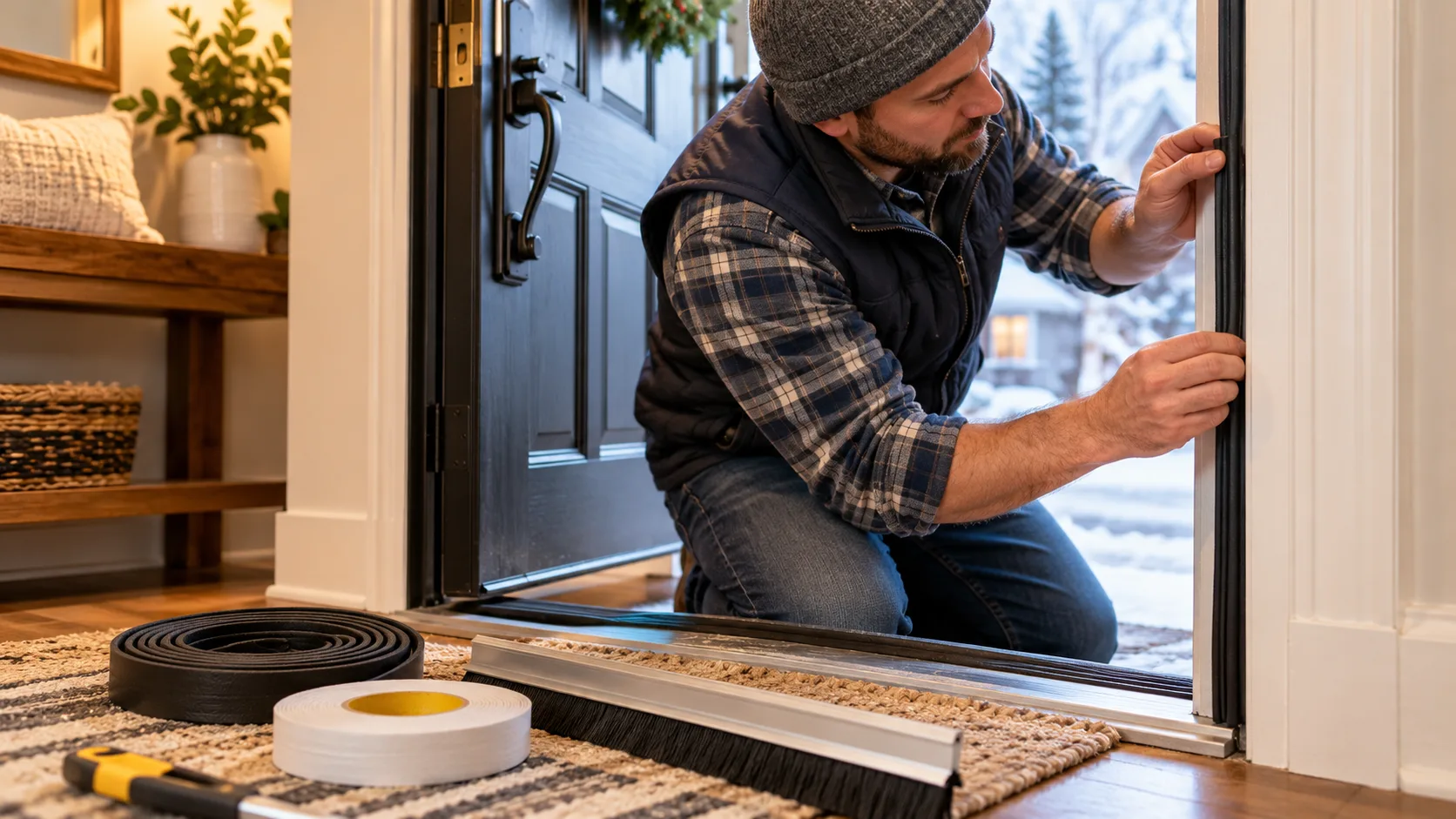
Door weather stripping is a simple and practical home improvement solution that helps prevent unwanted air leaks, drafts, dust, and moisture from entering through gaps around doors. Over time, small openings between a door and its frame can affect indoor comfort and increase heating or cooling demands. Installing suitable weather stripping can improve the seal around exterior doors without requiring major renovations.
Different types of door weather stripping are available, including adhesive foam tape, rubber seals, door sweeps, and metal-reinforced strips. Each option is designed for particular door gaps, surfaces, and operating conditions. This guide explains the main types of door weather stripping, their benefits, common materials, installation considerations, and maintenance tips to help homeowners choose effective solutions for their properties.
What Is Door Weather Stripping and How Does It Work?
Door weather stripping is a sealing material installed around the edges of a door to reduce unwanted airflow through small gaps. These gaps commonly develop between the door and its frame or along the bottom threshold. Weather stripping creates a barrier that helps limit drafts, outdoor dust, and moisture while allowing the door to open and close normally.
Most weather stripping products work by compressing against the door or covering spaces where air could otherwise pass through. Materials such as rubber, silicone, foam, and vinyl are commonly used because they provide flexibility and sealing performance. The effectiveness of the seal depends on choosing a suitable product and installing it correctly against the relevant surfaces.
Weather stripping is particularly useful for exterior doors exposed to changing temperatures and outdoor conditions. However, certain interior doors may also benefit when reducing unwanted airflow between rooms is desirable. A properly installed seal should limit gaps without creating excessive resistance, damaging the frame, or preventing the door from latching securely.
Why Is Door Weather Stripping Important for Your Home?
Air leakage around exterior doors can affect indoor temperatures and make heating or cooling systems work harder. Even relatively small gaps may allow conditioned indoor air to escape while outdoor air enters. Weather stripping helps reduce these unwanted exchanges, supporting a more comfortable environment during both warm and cold weather.
Door seals also help limit the movement of dust, insects, and wind-driven moisture through gaps around entryways. Although weather stripping cannot replace proper waterproofing or pest control, it provides an additional protective barrier. This makes it particularly valuable for doors facing exposed outdoor areas, garages, patios, and other locations where environmental conditions affect indoor comfort.
Another benefit is the relatively low cost of many weather stripping products compared with larger home improvement projects. Replacing damaged seals can often be completed without replacing the entire door. Regular inspection and suitable material selection help homeowners maintain effective door seals while supporting overall building maintenance and energy efficiency.
Different Types of Door Weather Stripping Explained
Several types of weather stripping are available because doors differ in construction, gap size, movement, and exposure to weather. Common options include foam tape, V-strip seals, rubber gaskets, tubular vinyl, door sweeps, and interlocking metal systems. Each product offers different advantages depending on installation requirements and the location of the opening.
Adhesive-backed materials are generally convenient for straightforward sealing projects because they can be applied to suitable clean surfaces. More durable products may use screws, mounting tracks, or specialized retaining channels. Mechanical fastening can provide additional stability in locations where frequent movement or weather exposure makes adhesive-only installation less reliable.
Selecting the correct type requires evaluating the gap dimensions, door alignment, and frequency of use. A product that works effectively around the vertical edges may not be appropriate for the bottom threshold. Understanding these differences helps homeowners avoid poor sealing performance and unnecessary replacement costs caused by choosing incompatible materials.
Adhesive Foam Weather Stripping for Small Door Gaps
Adhesive foam weather stripping is a commonly used option for sealing narrow gaps around doors and certain window frames. It usually consists of compressible foam attached to a self-adhesive backing. The material is available in different widths and thicknesses, allowing homeowners to select products based on the space requiring protection.
Foam tape is often suitable for irregular surfaces because its flexible structure can compress when the door closes. Installation generally involves cleaning the contact area, measuring the required length, and pressing the adhesive strip into position. The surface should be dry and compatible with the adhesive to achieve reliable attachment and reduce premature peeling.
Although foam weather stripping is usually affordable and convenient, it may wear more quickly than some rubber or metal-supported alternatives. Repeated compression, sunlight exposure, and moisture can affect its performance over time. Homeowners should inspect foam seals periodically and replace sections that become flattened, detached, or unable to fill the intended gap.
Rubber Weather Stripping for Durable Door Sealing
Rubber weather stripping is a popular choice for exterior doors because of its flexibility and resistance to repeated compression. Common formulations include EPDM rubber and other materials designed for weather exposure. These seals can help reduce drafts and moisture intrusion when properly matched to the door frame and installation environment.
Rubber strips are available in several profiles, including D-shaped, P-shaped, and bulb-style seals. Their different shapes allow them to accommodate varying gap dimensions and contact surfaces. Some products use adhesive backing, while others fit into channels or attach through mounting systems designed for specific door constructions.
Choosing the correct rubber profile is important because oversized seals may prevent a door from closing properly. Undersized materials may leave openings that allow continued airflow and dust movement. Homeowners should measure the existing gap and consider the manufacturer’s compression recommendations before purchasing replacement rubber weather stripping.
Vinyl Weather Stripping for Exterior Doors
Vinyl weather stripping is widely used in residential door systems because it can provide flexible sealing at a relatively accessible price. It is available in several designs, including tubular profiles and products attached to metal or wooden mounting strips. Vinyl seals are commonly used around door frames and other locations where repeated contact occurs.
Tubular vinyl weather stripping generally compresses when a door closes, helping fill gaps along the contact surface. Some versions are designed for installation along door stops, while others are integrated into replacement weather stripping assemblies. Proper positioning is essential because the material must create contact without interfering with hinges, locks, or normal operation.
Vinyl performance can vary depending on formulation, temperature exposure, and product quality. Certain types may become less flexible in cold conditions or degrade after prolonged environmental exposure. Selecting weather-rated products and following installation instructions helps improve reliability, particularly for exterior entry doors exposed to seasonal temperature changes.
V-Strip Weather Stripping for Door Frames
V-strip weather stripping, sometimes called tension-seal weather stripping, uses a folded strip that forms a V-shaped profile. The material is commonly made from vinyl, plastic, or metal. When installed correctly, the flexible section presses against the closing door to help reduce airflow through narrow gaps.
V-strips are often suitable for the sides and tops of doors where surfaces move against one another. Their slim design makes them useful in locations where thicker foam or tubular products might interfere with operation. Some versions include adhesive backing, while metal variations may require fastening according to the manufacturer’s installation method.
The sealing performance of a V-strip depends on proper alignment and sufficient contact pressure. Incorrect positioning may prevent the strip from flexing as intended or cause unnecessary friction. Homeowners should inspect the door’s closing direction and gap dimensions before installation to ensure the selected product provides reliable sealing.
Door Sweeps for Sealing the Bottom of Doors
Door sweeps are designed to cover the gap between the bottom of a door and the threshold or floor surface. They commonly consist of a metal or plastic mounting strip with a flexible sealing edge. Materials such as rubber, vinyl, and brush fibers are used to reduce airflow and limit the movement of dust and debris.
A door sweep is particularly useful for exterior doors where the lower opening allows noticeable drafts. Some sweeps attach to the door face with screws, while others slide onto compatible door bottoms. The appropriate design depends on available clearance, flooring materials, and whether the sweep must contact a raised threshold.
Correct installation allows the sweep to create an effective barrier without dragging excessively across the floor. Too much pressure can make opening difficult and accelerate wear on the sealing material. Because floor heights and thresholds vary, adjustable sweeps can be useful when homeowners need greater flexibility in achieving suitable contact.
Door Bottom Seals and Threshold Weather Stripping
Door bottom seals and threshold weather stripping work together to reduce gaps along the lower edge of an entry door. Unlike a simple surface-mounted sweep, some door bottom systems use integrated flexible fins or bulb-shaped gaskets. These components are designed to compress against a compatible threshold and help limit unwanted airflow.
Threshold seals may be attached to raised or adjustable threshold assemblies installed at the bottom of an exterior doorway. When the door closes, the seal contacts the door bottom or a compatible weatherproofing component. Proper adjustment is important because an uneven threshold may leave openings or interfere with the door’s operation.
Replacing a worn bottom gasket can sometimes restore sealing performance without requiring replacement of the entire door. However, damaged thresholds, uneven flooring, or door alignment problems may require additional repairs. Homeowners should identify the existing door system and choose compatible replacement components rather than assuming all bottom seals are interchangeable.
Silicone Weather Stripping for Flexible Sealing
Silicone weather stripping is valued for its flexibility and ability to tolerate a broad range of temperatures. It is commonly available in bulb, tubular, and other gasket profiles. Certain silicone products are suitable for applications where repeated compression and changing weather conditions place demands on ordinary sealing materials.
Silicone seals can be useful around exterior doors, particularly when manufacturers specify their suitability for the application. Many products remain flexible in conditions that may affect some other materials. However, performance varies according to product formulation, installation method, and compatibility with the surrounding door surfaces.
Some silicone weather stripping products cost more than basic foam alternatives, but their durability may make them worthwhile in demanding environments. Homeowners should compare installation requirements and expected service conditions before purchasing. A good seal depends not only on material quality but also on correct sizing, contact pressure, and proper maintenance.
Metal Weather Stripping for Long-Term Performance
Metal weather stripping includes tension strips and interlocking systems manufactured from materials such as bronze, aluminum, or stainless steel. These products are often used when durability and a precise seal are important. Certain metal systems can provide long service life when installed correctly and maintained according to their design requirements.
Spring bronze weather stripping is one traditional example that creates sealing pressure through its flexible metal profile. Interlocking metal systems use complementary components that fit together when a door closes. These designs may require more careful installation than adhesive foam because the components must align accurately to function as intended.
Metal weather stripping can be particularly appropriate for certain historic doors and specialized applications. However, installation often requires experience, accurate measurements, and compatible door construction. Homeowners should consider professional assistance when working with systems that require detailed fitting or modification of valuable existing doors.
Benefits of Door Weather Stripping for Energy Efficiency
One of the main benefits of door weather stripping is reduced uncontrolled airflow through gaps around exterior doors. When heated or cooled indoor air escapes, building systems may need to operate longer to maintain comfortable temperatures. Effective door sealing can reduce some of this unnecessary energy demand as part of an overall weatherization strategy.
Potential energy savings depend on the building’s existing air leakage, climate, heating and cooling equipment, and quality of installation. Homes with large gaps around frequently used exterior doors may experience more noticeable improvements than well-sealed buildings. Weather stripping should therefore be considered alongside insulation, ventilation, and other building envelope improvements.
Although some weather stripping products are inexpensive, they can contribute to long-term comfort and energy management when properly selected. However, no specific reduction in utility bills can be guaranteed from door sealing alone. Evaluating the overall condition of a home helps determine whether weather stripping or other improvements should receive priority.
How Door Weather Stripping Reduces Drafts and Noise
Drafts often occur when outdoor air enters through gaps between a door and its frame. These air movements can create uncomfortable areas near entryways, especially during windy or cold weather. Weather stripping helps reduce direct airflow by creating continuous contact between appropriate door surfaces and the selected sealing material.
Sealing gaps may also reduce some sound transmission by limiting openings through which outdoor noise can enter. Traffic, wind, and nearby activity may become less noticeable when significant air gaps are addressed. However, weather stripping alone cannot provide comprehensive soundproofing because noise also travels through doors, walls, glass, and surrounding structures.
For improved acoustic comfort, homeowners may need to combine door seals with suitable door construction and other sound-control measures. A solid-core door, properly fitted threshold, and continuous perimeter seal may perform differently from a lightweight door with basic weather stripping. Understanding these limitations helps homeowners set realistic expectations about noise reduction.
How to Choose the Right Weather Stripping for Your Door
Choosing the best door weather stripping begins with identifying where air enters and measuring the size of the opening. Different parts of a doorway may require different products, including perimeter gaskets and bottom sweeps. Evaluating the door’s construction, frequency of use, and exposure to weather helps narrow the available options.
Homeowners should consider material durability, installation requirements, and compatibility with existing door components. Adhesive foam may suit some narrow gaps, while rubber gaskets or mechanically fastened strips may be better for demanding exterior locations. The selected weather stripping should maintain consistent contact without preventing the door from closing and locking normally.
Budget is another factor, but the least expensive material is not always the most suitable long-term option. A durable seal that fits correctly may provide better value than frequently replacing an incompatible product. Comparing manufacturer specifications and checking the existing door system can help homeowners make practical purchasing decisions.
Door Weather Stripping Installation: What to Expect
Before installing weather stripping, the door and frame should be inspected for damage, uneven gaps, and alignment problems. Surfaces intended for adhesive products generally need to be clean and dry. Preparation may also involve removing deteriorated seals and checking whether the new product is compatible with the existing frame.
Installation methods vary depending on whether the chosen product uses adhesive backing, screws, mounting tracks, or integrated retaining channels. Accurate measurements help ensure continuous coverage around the intended contact surfaces. Because doors differ in design, following the manufacturer’s directions is important for achieving effective sealing without interfering with normal movement.
After installation, the door should close securely and operate without excessive friction or resistance. A properly fitted seal should contact the appropriate surfaces while allowing the latch and locking hardware to function normally. If significant gaps remain, additional adjustments or professional inspection may be necessary to identify alignment issues or damaged door components.
Common Door Weather Stripping Mistakes to Avoid
A common mistake is selecting weather stripping that is too thick for the existing door gap. Excessively compressed materials can interfere with closing, damage components, or prevent the latch from engaging correctly. Measuring the opening and checking compression specifications helps avoid these problems before purchasing or installing replacement seals.
Another mistake is applying adhesive weather stripping to dirty, damp, or deteriorating surfaces. Poor surface preparation can weaken adhesion and cause strips to peel away prematurely. It is also important to avoid stretching flexible materials during application because they may retract later and leave uncovered gaps.
Homeowners sometimes overlook the bottom threshold while sealing only the sides and top of a door. This can leave a significant opening that continues allowing drafts and debris to enter. Inspecting the entire doorway and addressing alignment or structural problems first provides more reliable results than repeatedly adding unsuitable sealing materials.
How Long Does Door Weather Stripping Last?
The lifespan of door weather stripping depends on its material, installation quality, and exposure to environmental conditions. Basic adhesive foam may require replacement sooner than certain durable rubber, silicone, or metal systems. Frequent door operation, sunlight, moisture, and temperature changes can all influence how quickly sealing materials deteriorate.
Signs of wear include flattened gaskets, cracked surfaces, loose strips, visible gaps, and difficulty maintaining a continuous seal. Homeowners may also notice renewed drafts or increased dust near an entryway. Periodic inspection allows damaged components to be identified before they create larger comfort or moisture-related problems.
Weather stripping should be replaced when it no longer performs its intended function rather than according to an arbitrary schedule. Some products may remain effective for years, while others deteriorate relatively quickly under demanding conditions. Following manufacturer maintenance recommendations and choosing suitable replacement materials can help maintain reliable door performance.
Door Weather Stripping Maintenance and Replacement Tips
Regular maintenance helps preserve weather stripping performance and reduces the likelihood of premature deterioration. Homeowners can inspect visible seals during seasonal home maintenance checks and look for cracks, compression damage, or detached sections. Keeping sealing surfaces clean also helps prevent debris from interfering with proper door contact.
Cleaning methods should match the material and manufacturer’s recommendations because harsh chemicals may damage certain rubber, vinyl, or adhesive products. A soft cloth and suitable mild cleaning solution are often sufficient for routine care. Avoiding unnecessary abrasion can help preserve flexible surfaces and reduce damage to protective finishes or adjacent door components.
Replacement becomes appropriate when seals no longer fill gaps effectively or interfere with normal door operation. Before installing new materials, check for underlying issues such as loose hinges, damaged frames, or uneven thresholds. Correcting these problems helps ensure the replacement weather stripping performs properly instead of compensating for a door that requires adjustment.
Conclusion
Door weather stripping is an effective home improvement measure for reducing drafts, limiting air leakage, and improving everyday indoor comfort. Different materials and designs serve different purposes, including foam tape, rubber gaskets, vinyl seals, V-strips, metal systems, and door sweeps. Understanding these options helps homeowners select products suitable for their doors and environmental conditions.
Successful weather stripping depends on accurate measurements, appropriate material selection, and correct installation. A good seal should reduce unwanted airflow without interfering with door movement, latching, or locking. Regular inspections and timely replacement of worn materials can help maintain performance while supporting better moisture control and overall building maintenance.
Whether you are improving an older entry door or maintaining a recently installed one, weather stripping can be a practical and relatively affordable upgrade. Its benefits may include improved comfort, reduced drafts, and potential energy savings when significant air leaks are addressed. With suitable products and proper maintenance, door weather stripping can contribute to a more comfortable and efficient home.
Frequently Asked Questions (FAQs)
1. What Is the Best Type of Weather Stripping for Exterior Doors?
Rubber, silicone, and compatible compression gaskets are common choices for exterior doors because they provide flexible sealing. The best option depends on gap size, door design, weather exposure, and installation requirements.
2. Does Door Weather Stripping Really Save Energy?
Yes, properly installed weather stripping can reduce unwanted air leakage around exterior doors. Actual energy savings depend on existing gaps, climate conditions, heating and cooling systems, and overall home insulation.
3. How Do I Know if My Door Needs Weather Stripping?
Common signs include noticeable drafts, visible gaps, damaged seals, and outdoor dust entering around the door. Inspecting the frame and threshold can help identify areas where additional sealing may be needed.
4. Can Weather Stripping Be Installed on Any Door?
Many doors can accommodate suitable weather stripping, but the appropriate product depends on construction, clearance, and operating requirements. Fire-rated and specialized doors may require approved components that preserve their safety functions.
5. How Often Should Door Weather Stripping Be Replaced?
Replacement frequency depends on material quality, environmental exposure, and everyday wear. Inspect seals periodically and replace them when they crack, flatten, detach, or stop providing effective contact around the door.