
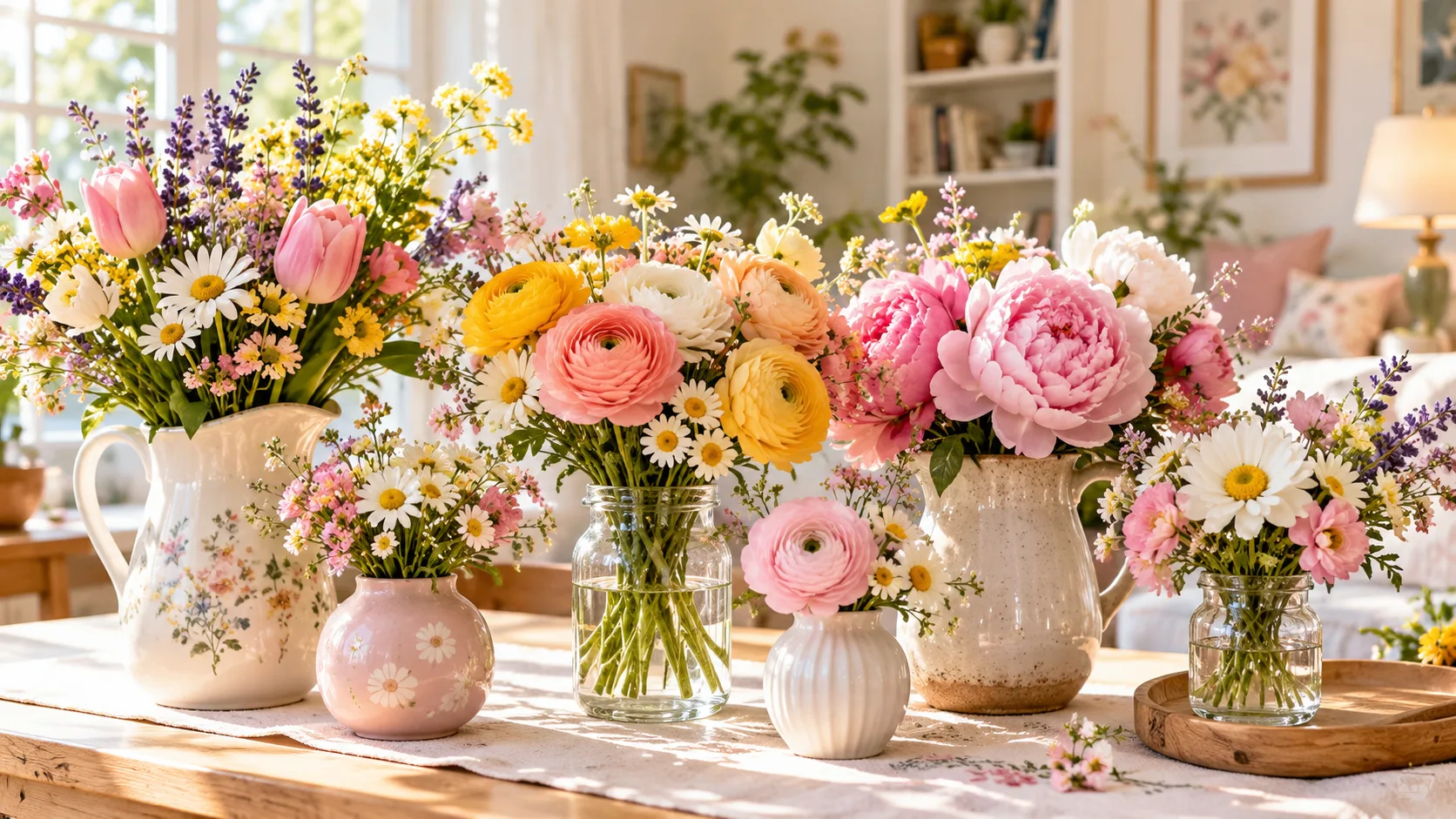
Cute flowers can brighten almost any space with their beautiful colors, delicate petals, and natural charm. Whether you want to decorate your bedroom, refresh your living room, or create a colorful garden, flowers offer endless possibilities. From cheerful daisies to elegant tulips, there are many beautiful flowers that can make your surroundings feel more welcoming and attractive.
One of the best things about decorating with flowers is the variety available. Some flowers feature soft pastel colors and delicate shapes, while others display bold shades that immediately attract attention. You can grow them in garden beds, arrange them in decorative vases, or use suitable flowering plants to brighten balconies and patios.
Choosing the right flowers depends on your available space, climate, lighting conditions, and personal preferences. Some varieties thrive in sunny outdoor gardens, while others can be enjoyed indoors as cut flowers or container plants. This guide explores cute flower varieties, beautiful decorating ideas, and practical tips for choosing flowers for different spaces.
What Makes Flowers Look Cute?
Cute flowers are often associated with delicate petals, cheerful colors, and attractive shapes. Small blossoms, rounded petals, and soft pastel shades can create a particularly charming appearance. However, beauty is subjective, and different people may prefer flowers with bold colors, unusual patterns, or simple natural designs.
Many popular flowers fit this aesthetic because of their familiar shapes and pleasant colors. Daisies, pansies, tulips, and forget-me-nots are often considered especially charming. Their appearance makes them suitable for decorative arrangements, garden borders, and thoughtful gifts.
The way flowers are displayed also influences their overall appearance. A small bunch of daisies in a simple vase can feel cheerful and welcoming, while pastel flowers arranged together may create a softer atmosphere. Choosing complementary colors and appropriate containers helps highlight the natural beauty of each flower.
1. Daisies: Simple and Cheerful Flowers
Daisies are among the most recognizable cute flowers because of their delicate petals and bright centers. Traditional white daisies create a fresh appearance that works beautifully in informal gardens and floral arrangements. Other daisy-like flowers are available in pink, yellow, purple, and additional colors.
Their simple shape makes daisies suitable for many decorating styles. They can complement rustic interiors, cottage-inspired rooms, and relaxed garden arrangements. A small vase containing daisies may add a cheerful touch to a dining table, windowsill, or bedside surface.
Different plants are commonly called daisies, so their growing requirements can vary. Many garden varieties prefer suitable sunlight and well-drained soil. Before planting, identify the specific species and check whether its climate and maintenance requirements match your outdoor space.
2. Tulips: Elegant Flowers With Soft Colors
Tulips are beautiful spring flowers known for their smooth petals and distinctive cup-shaped blooms. They are available in many colors, including pink, yellow, white, purple, and red. Their simple appearance makes them especially attractive for modern floral arrangements and seasonal home decorations.
Pastel tulips are popular for creating gentle, romantic-looking displays without requiring elaborate arrangements. A few stems in a narrow vase can add color to a coffee table or kitchen counter. Mixing different tulip shades may create a brighter arrangement with a playful appearance.
Tulips are generally grown from bulbs and require suitable seasonal conditions for reliable flowering. Their growing requirements depend on climate and variety. As cut flowers, they should be placed in a clean vase with fresh water and kept away from excessive heat.
3. Baby’s Breath: Tiny and Delicate Blooms
Baby’s breath is known for its clusters of tiny flowers that create a soft, cloud-like appearance. White varieties are especially popular in bouquets, although pink forms are also available. Its delicate structure makes it an attractive addition to simple and decorative floral displays.
These flowers are often combined with roses, tulips, and other larger blooms. However, baby’s breath can also create a charming arrangement on its own. A small bunch in a ceramic vase may complement minimalist interiors, vintage-inspired rooms, and special occasion decorations.
Some varieties are grown in gardens, while others are commonly purchased as cut flowers. Growing conditions vary, but suitable drainage and sunlight are important for many types. In homes with pets, use additional care because baby’s breath can cause digestive upset if eaten.
4. Pansies: Colorful Flowers With Unique Patterns
Pansies are cheerful flowers recognized for their rounded petals and distinctive color combinations. Their blooms often feature contrasting markings that resemble small faces. Purple, yellow, blue, orange, and white varieties make them particularly attractive for colorful garden displays.
These flowers are popular in containers, window boxes, and garden borders. Their relatively compact growth habit allows them to fit into smaller outdoor spaces. Combining several colors can create a playful arrangement that brightens balconies, patios, and entrance areas.
Pansies commonly perform well during cooler growing seasons, although their suitability depends on local weather conditions. They generally benefit from suitable light, regular watering, and well-drained soil. Removing faded blooms may help maintain a tidy appearance and encourage continued flowering in appropriate conditions.
5. Forget-Me-Nots: Beautiful Little Blue Flowers
Forget-me-nots are small flowers admired for their delicate blue petals and tiny yellow centers. Their soft appearance makes them especially charming in cottage gardens and natural-looking planting arrangements. Some varieties also produce white or pink blossoms.
These flowers work beautifully along garden borders and among other spring plants. Their small blooms can create attractive patches of color when grown together. They may also complement larger flowers by introducing a gentle blue accent to the surrounding landscape.
Forget-me-nots generally prefer conditions that provide suitable moisture and moderate sunlight, although requirements vary by species. Some types spread through self-seeding and may become persistent in certain climates. Checking local growing guidance helps ensure they are appropriate for your garden.
6. Miniature Roses: Small Flowers With Classic Beauty
Miniature roses offer the familiar beauty of traditional roses in a more compact form. Their small blooms are available in several colors, including pink, white, yellow, and red. They can be attractive choices for container gardens, patios, and decorative outdoor displays.
These roses often feature clusters of flowers that create a charming appearance. Their smaller size makes them suitable for spaces where larger rose bushes may not fit comfortably. A healthy miniature rose plant can become a colorful feature in a suitable sunny location.
Like other roses, miniature varieties need appropriate sunlight, watering, and airflow. They are generally best treated as outdoor plants, although they may be displayed indoors temporarily under suitable conditions. Selecting a healthy plant and following its care requirements supports better long-term growth.
7. Sweet Peas: Fragrant and Colorful Flowers
Sweet peas are beautiful flowering plants valued for their delicate petals and pleasant fragrance. Their flowers appear in shades of pink, lavender, purple, white, and red. The soft, ruffled blooms make them especially attractive for traditional cottage gardens and seasonal arrangements.
Many sweet pea varieties grow as climbing plants and can add color to suitable garden supports. Their flowers are also popular in small bouquets because of their graceful appearance. Combining several colors creates an attractive display that feels natural and cheerful.
Sweet peas generally prefer cooler growing conditions and require appropriate support when growing taller. Their seeds and plant parts are poisonous if eaten, so they should be kept away from children and pets. They are ornamental flowers and should not be confused with edible garden peas.
8. Lavender: Charming Purple Flowers
Lavender is admired for its purple flower spikes, distinctive fragrance, and attractive gray-green foliage. It adds natural beauty to gardens, patios, and suitable outdoor containers. Its appearance works particularly well in Mediterranean-inspired and rustic landscape designs.
Lavender flowers can create attractive arrangements when used fresh or dried. Small bundles may provide decorative accents in bedrooms, living rooms, or entryways. Their muted purple color complements neutral interiors and natural materials such as wood, linen, and ceramic accessories.
Most commonly grown lavender varieties prefer sunny conditions and soil with good drainage. Excessive moisture can cause problems, particularly around the roots. Pet owners should exercise caution because lavender plants and concentrated lavender oils may be harmful to animals.
9. Marigolds: Bright and Cheerful Garden Flowers
Marigolds are colorful flowers that bring warm shades of yellow, orange, and gold into outdoor spaces. Their rounded blooms create a cheerful appearance in garden beds, containers, and borders. They are popular among gardeners who appreciate vibrant colors and relatively straightforward seasonal care.
Different marigold varieties produce blooms of varying sizes and shapes. Compact types can work well in pots, while larger varieties create striking displays in flower beds. Mixing marigolds with suitable green foliage can make their warm colors stand out even more.
Many marigolds grow best with plenty of sunlight and well-drained soil. They are commonly grown as annual flowers in a wide range of climates. Regular care and removal of spent blooms may help maintain an attractive display throughout the appropriate growing season.
10. Petunias: Beautiful Flowers for Hanging Baskets
Petunias are popular flowering plants known for their colorful trumpet-shaped blossoms. They are available in pink, purple, white, red, and many patterned combinations. Their bright appearance makes them attractive for balconies, patios, window boxes, and hanging baskets.
Trailing petunia varieties can spill over the edges of containers, creating a colorful display. Compact forms are also suitable for decorative pots and garden borders. Choosing complementary flower colors can help create a coordinated outdoor arrangement without requiring a large planting area.
Petunias generally prefer good sunlight and regular watering, especially when grown in containers. Their care requirements depend on climate and variety. Selecting a suitable location and checking moisture levels can help maintain healthy plants and encourage consistent flowering.
11. Zinnias: Playful Flowers With Bold Colors
Zinnias are cheerful garden flowers available in a wide range of bright colors. Their blooms may feature rounded, layered, or daisy-like petals depending on the variety. Pink, orange, yellow, red, and purple zinnias can create colorful displays that attract attention.
These flowers work well in summer gardens, mixed borders, and cutting gardens. Their varied heights allow gardeners to create arrangements with different levels of color. Freshly cut zinnias can also brighten indoor spaces when placed in clean water and displayed appropriately.
Zinnias generally grow well in warm, sunny conditions with suitable soil drainage. Providing good airflow helps reduce problems associated with excess moisture on foliage. Gardeners should select varieties appropriate for their climate and available planting space.
12. Primroses: Sweet Flowers for Colorful Displays
Primroses are attractive flowers that often bloom in cheerful shades of yellow, pink, purple, red, and white. Their rounded petals and compact growth habit make them popular for garden borders and containers. Many varieties provide welcome color during cooler parts of the growing year.
A collection of primroses can create a bright display near doorways, patios, and shaded garden areas. Their compact size makes them useful for smaller planting spaces. Some varieties also work well alongside other suitable spring-flowering plants.
Primrose care depends on the species and local climate. Many prefer cool conditions, consistent moisture, and protection from intense afternoon sun. Because some types may cause skin irritation or be unsuitable around pets, it is important to identify the plant before bringing it home.
13. Cosmos: Delicate Flowers With a Natural Look
Cosmos flowers have graceful petals and slender stems that create a light, airy appearance. They are commonly available in pink, white, purple, and other attractive shades. Their simple structure makes them a charming choice for informal gardens and natural-looking floral arrangements.
These flowers are especially popular in cottage-style gardens because they create a relaxed appearance. Taller varieties can move gently in the breeze, adding visual interest to outdoor spaces. Shorter forms may suit containers and smaller garden beds.
Many cosmos varieties prefer sunny conditions and soil that drains well. They are generally grown as seasonal flowering plants, although their growth habits vary. Selecting an appropriate variety helps ensure the plants fit comfortably within your available garden space.
14. Violas: Tiny Flowers for Small Spaces
Violas are compact flowering plants that produce delicate blooms in a wide variety of colors. Their flowers are often smaller than those of traditional pansies, making them especially charming in miniature arrangements. Purple, yellow, blue, and white varieties are commonly available.
These plants can brighten small containers, window boxes, and garden borders. Their compact appearance makes them suitable for decorating limited outdoor spaces. Combining several viola varieties can create a colorful arrangement without requiring a large flower bed.
Many violas prefer cooler conditions and suitable moisture levels. Their growing season depends on the local climate and specific variety. Choosing appropriate containers and providing consistent care can help maintain attractive flowers during favorable weather.
15. Gerbera Daisies: Bright Flowers for Any Occasion
Gerbera daisies are known for their large, cheerful blooms and vivid colors. They are available in pink, yellow, orange, white, and red. Their symmetrical petals create a fresh, appealing appearance that makes them popular in bouquets and decorative flower arrangements.
These flowers can brighten dining tables, living rooms, and entryways when displayed as cut stems. Gerbera daisies are also grown as flowering plants in suitable conditions. Their bold colors work particularly well in simple arrangements that allow the blossoms to become the main decorative feature.
Cut gerbera daisies benefit from clean vases, fresh water, and appropriate stem care. Potted plants generally need suitable light and careful watering. Their care requirements differ depending on whether they are grown indoors temporarily or maintained as garden plants.
Cute Flowers for Bedroom Decoration
Flowers can make a bedroom feel brighter, softer, and more welcoming. Small arrangements featuring daisies, tulips, or other delicate blooms can complement bedside tables and dressers. Pastel-colored flowers often work well with neutral bedding and warm interior colors.
Choose arrangements that suit the size of the room and surrounding furniture. A compact vase may provide enough decoration without taking up valuable space. Fresh flowers should be placed where they cannot easily fall or spill water onto electrical equipment.
Artificial flowers can be a practical alternative when regular maintenance is inconvenient. High-quality arrangements can provide color without requiring watering or replacement. Whether you choose fresh or artificial flowers, a simple display often looks more natural than an overcrowded arrangement.
Cute Flowers for Living Room Decor
The living room is an excellent place to display beautiful flowers because it often serves as a gathering area. A vase of colorful blooms can create an attractive focal point on a coffee table or sideboard. Natural flowers also add texture and visual interest to the surrounding decor.
Consider the room’s existing colors when choosing flower varieties. White and cream blossoms can complement minimalist interiors, while pink or yellow flowers introduce cheerful accents. Mixing flowers with suitable greenery can create a balanced arrangement that feels fresh and welcoming.
Flower placement should be practical as well as attractive. Keep arrangements away from unstable surfaces, heat sources, and areas where they may be knocked over. In homes with pets, choose non-toxic varieties and prevent animals from accessing floral arrangements that may be harmful.
Cute Flowers for Small Gardens
Small gardens can become beautiful spaces when planted with flowers that match their available conditions. Compact varieties of pansies, violas, marigolds, and other suitable plants may provide color without taking up excessive room. Choosing different flowering seasons can also extend the period of visual interest.
Containers and raised planters can help organize plants in limited areas. A mixture of low-growing flowers and slightly taller varieties adds depth to the arrangement. However, plants should have sufficient room to develop without unnecessary overcrowding.
Before planting, consider sunlight, soil drainage, and local climate. Some flowers thrive in direct sun, while others prefer cooler or partially shaded conditions. Matching plants to the environment is more reliable than choosing varieties based only on their appearance.
Cute Flowers for Balconies and Patios
Balconies and patios can look beautiful with carefully selected flowering containers. Petunias, gerbera daisies, and compact seasonal flowers may provide colorful displays when growing conditions are suitable. Decorative pots and hanging baskets help introduce greenery without requiring a traditional garden.
The amount of sunlight available should guide plant selection. A sunny balcony may suit different flowers from one that remains shaded for much of the day. Wind exposure and container drainage are also important because elevated outdoor spaces can experience challenging growing conditions.
Arrange containers so they do not block pathways or create safety hazards. Hanging baskets should be securely mounted, and pots must be stable. Selecting manageable plants and suitable containers makes outdoor flower displays easier to maintain throughout the growing season.
Cute Flowers for Dining Table Centerpieces
Flowers make attractive dining table centerpieces because they introduce natural colors and decorative interest. Small bouquets of daisies, tulips, or seasonal flowers can complement casual meals and special occasions. A thoughtfully arranged centerpiece can enhance the table without requiring expensive decorations.
Choose a vase that suits the dimensions of the table. Low arrangements are often practical because they allow guests to see one another comfortably. Soft colors may create an elegant atmosphere, while bright flowers can make the setting feel cheerful and informal.
Avoid using strongly scented flowers when their fragrance may interfere with dining. Keep arrangements away from uncovered food and ensure containers remain stable. Simple floral centerpieces can provide beauty while preserving enough room for plates, serving dishes, and everyday table activities.
How to Choose Cute Flowers for Your Home
Choosing flowers for your home begins with identifying the available space and preferred decorative style. A small room may benefit from compact arrangements, while larger spaces can accommodate more substantial bouquets. Color, shape, and fragrance also influence how flowers complement the surrounding interior.
Consider whether you prefer fresh cut flowers, potted flowering plants, or artificial arrangements. Fresh flowers provide seasonal variety but require regular care. Potted plants may last longer when growing conditions are suitable, while artificial options offer a convenient decorative alternative.
Households with pets should be especially careful when choosing flowers. Some popular varieties, including lilies, can be extremely dangerous to cats, while other plants may harm dogs if eaten. Always verify the exact species before placing flowers within reach of animals.
How to Keep Cut Flowers Fresh Longer
Proper care can help cut flowers maintain their appearance for a longer period. Start with a clean vase and fresh water, following any care instructions supplied by the florist. Removing leaves that would sit below the waterline can help reduce unnecessary buildup in the container.
Different flowers have different care requirements, but many benefit from being kept away from excessive heat and direct sunlight. Change the water regularly and remove stems that begin deteriorating. Suitable flower food may also help when used according to the product instructions.
The lifespan of a floral arrangement depends on the flower species, freshness, and surrounding conditions. Some varieties remain attractive longer than others. Choosing healthy stems and maintaining a clean display can help preserve the beauty of your flowers.
Budget-Friendly Cute Flower Decorating Ideas
Decorating with flowers does not need to be expensive. A small bouquet of seasonal flowers can create an attractive display without requiring a large arrangement. Using simple containers that you already own can also reduce spending while creating a personalized appearance.
Glass jars, ceramic mugs, and small vases may work as flower containers when they are stable and suitable for holding water. Combining a few flowers with greenery can create an appealing arrangement. Seasonal availability often influences pricing, making locally grown flowers worth considering.
For long-lasting decoration, dried flowers and artificial arrangements may offer alternatives to frequently replacing fresh bouquets. However, materials and maintenance needs vary. Choosing decorations that suit your budget and household environment helps create beautiful spaces without unnecessary purchases.
Common Flower Decorating Mistakes to Avoid
One common mistake is choosing flowers without considering the size of the available space. Very large arrangements can overwhelm small tables, while tiny bouquets may appear disconnected from spacious rooms. Matching the scale of the arrangement to its surroundings creates better visual balance.
Another mistake is combining too many competing colors and flower varieties. Although colorful arrangements can be beautiful, excessive variety may create a crowded appearance. Selecting a few coordinating shades often helps the arrangement feel more intentional and attractive.
Ignoring practical care requirements can also reduce the success of floral decorations. Fresh flowers need clean water, while potted plants require suitable growing conditions. Pet safety, stable containers, and appropriate placement are equally important for maintaining a comfortable and attractive home.
Conclusion
Cute flowers offer a simple way to introduce natural beauty, color, and warmth into homes and outdoor spaces. Varieties such as daisies, tulips, pansies, petunias, and miniature roses provide different styles and appearances. Their attractive blooms make them suitable for gardens, balconies, decorative arrangements, and thoughtful gifts.
The best flowers depend on your available space, preferred colors, climate, and maintenance requirements. Some varieties thrive outdoors in sunny conditions, while others are commonly enjoyed as cut flowers. Selecting suitable plants and following appropriate care instructions helps maintain their appearance and overall health.
Whether you prefer soft pastel blossoms or cheerful, brightly colored flowers, there are beautiful options for almost every space. Start with a few varieties that match your environment and decorating preferences. With thoughtful selection and simple care, flowers can make your surroundings feel more inviting and enjoyable.
Frequently Asked Questions
1. What Are the Cutest Flowers?
Daisies, pansies, forget-me-nots, tulips, and miniature roses are often considered cute because of their delicate petals, cheerful colors, and attractive shapes. Personal preferences influence which varieties look most appealing.
2. What Cute Flowers Are Easy to Grow?
Marigolds, zinnias, cosmos, and some petunia varieties are popular choices for beginner gardeners. Their success depends on suitable sunlight, soil, watering, and local growing conditions.
3. Which Cute Flowers Are Best for Small Spaces?
Pansies, violas, compact marigolds, and selected miniature flowering plants can work well in containers and small gardens. Choose varieties that match the available sunlight and growing space.
4. What Flowers Look Beautiful in a Bedroom?
Tulips, daisies, and other softly colored cut flowers can create attractive bedroom arrangements. Keep vases stable, maintain fresh water, and verify plant safety when pets have access to the room.
5. How Can I Decorate With Flowers on a Budget?
Use small seasonal bouquets, repurpose suitable containers, and choose simple arrangements. Locally available flowers and carefully selected artificial decorations can provide attractive options without requiring expensive purchases.


[…] Curling leaves are among the most common concerns when growing prayer plants indoors. This symptom may result from insufficient moisture, low humidity, excessive sunlight, or sudden temperature changes. Prayer plants also move their leaves naturally during daily light cycles, which should not automatically be mistaken for damage. Persistent curling accompanied by dry edges usually indicates environmental stress. […]