
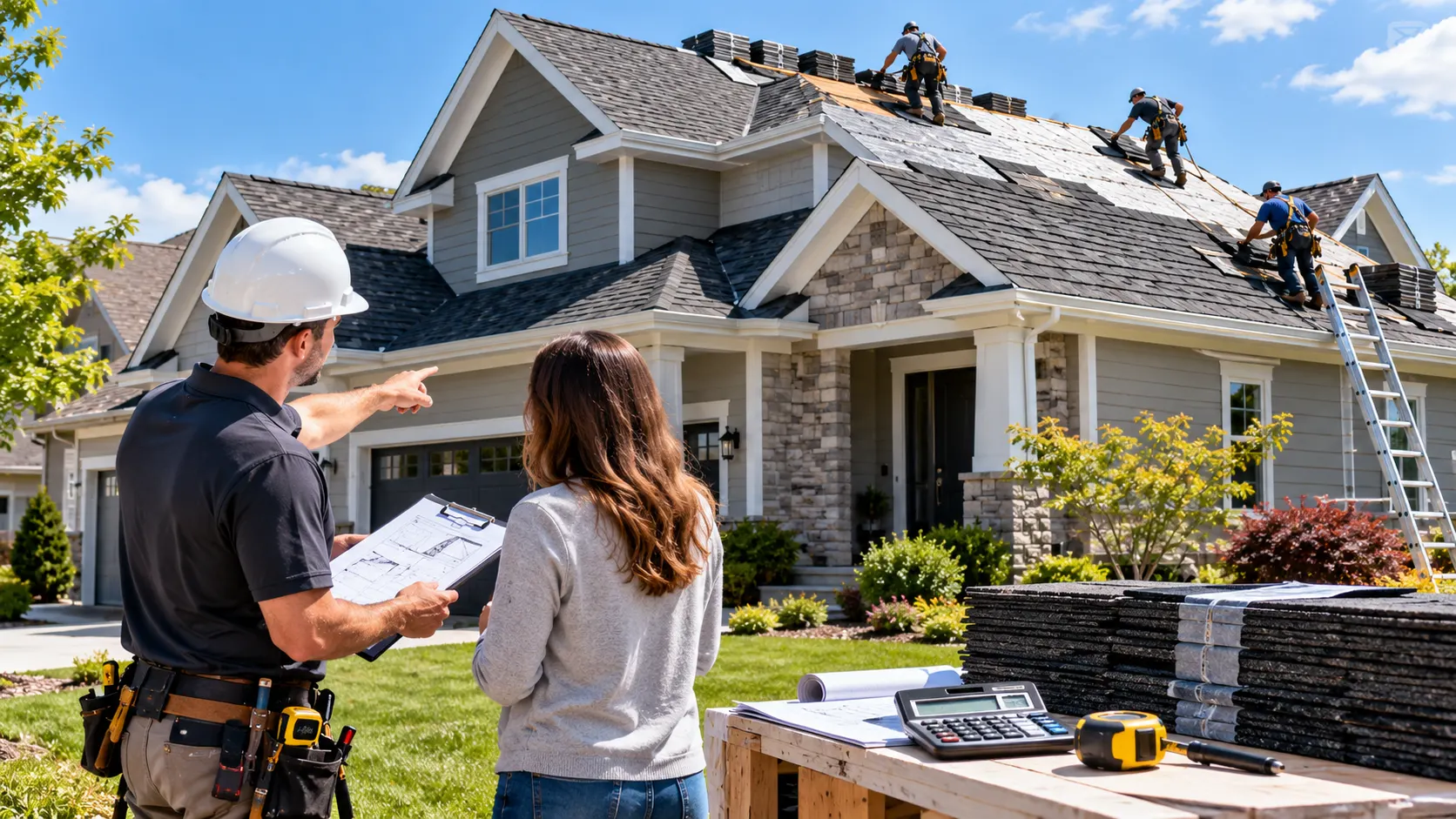
Replacing a roof is one of the most important home improvement investments because it protects your property from rain, wind, extreme temperatures, and other environmental conditions. Whether your existing roof has developed leaks, suffered storm damage, or reached the end of its useful lifespan, understanding the cost of a new roof can help you plan your budget. Roofing expenses vary considerably depending on materials, labor, roof size, and installation requirements.
Many homeowners wonder how much a new roof costs before contacting professional roofing contractors. In the United States, a typical residential roof replacement may cost anywhere from $9,000 to $25,000, although smaller asphalt shingle projects can cost less and premium roofing systems can exceed this range. The final price depends on several factors, including roof complexity, location, and structural condition.
In this guide, you will learn about average roof replacement costs in 2026, prices for different roofing materials, installation expenses, and factors that influence your total budget. We will also explore roof repair versus replacement, hidden expenses, financing options, and practical ways to save money without compromising roofing quality.
How Much Does a New Roof Cost in 2026?
The average cost of a new roof in the United States varies depending on the roofing material, total surface area, and complexity of installation. Many standard residential roof replacements fall within a broad range of $9,000 to $25,000. Asphalt shingles are generally among the most affordable options, while metal, slate, and tile roofs often require larger budgets.
For a relatively straightforward 2,000-square-foot roof, architectural asphalt shingles may cost approximately $9,000 to $16,000 installed. Standing seam metal roofing may cost around $18,000 to $32,000 for a comparable area. Premium materials and complicated roof designs can increase costs considerably. These figures are general planning estimates rather than guaranteed contractor prices.
Homeowners should also remember that a house’s interior floor area is not necessarily the same as its roof area. Roof pitch, overhangs, dormers, and architectural features affect the actual surface requiring materials. A professional roofing contractor can measure these details and prepare a more accurate estimate. Comparing several written quotations helps establish realistic local costs.
What Factors Affect the Cost of a New Roof?
Several important factors determine how much homeowners pay for roof replacement. Roof size is one of the most significant because larger surfaces require additional materials and installation time. The selected roofing material also affects the budget, with premium options generally costing more than standard asphalt shingles. Labor rates, property location, and accessibility contribute to price differences.
Roof design can substantially influence installation expenses, particularly when the structure contains steep slopes, multiple valleys, skylights, and complicated intersections. These features require more cutting, flashing, and installation work. Multi-story homes may also involve additional equipment and safety requirements. A simple roof with fewer structural interruptions is generally less expensive to replace.
The condition of the existing roof is another important consideration. Damaged decking, deteriorated flashing, and moisture-related structural problems may require repairs before new roofing materials can be installed. Removing multiple layers of old roofing can also increase disposal costs. Understanding these possible expenses helps homeowners prepare for unexpected findings during replacement.
How to Calculate Roof Replacement Cost by Square Foot
Roof replacement estimates are commonly calculated using the total roof surface area rather than the interior size of the home. Contractors measure the roof in square feet and often use roofing squares for material calculations. One roofing square equals 100 square feet of roof surface. This measurement helps estimate material quantities and compare installation prices.
Basic Roof Replacement Formula:
Estimated Roof Cost = Roof Area × Installed Cost per Square Foot
For example, a roof measuring 2,000 square feet with an estimated installed cost of $6 per square foot would cost approximately $12,000. A more complicated roof may require additional allowances for material waste and labor. Professional measurements are necessary to obtain a dependable estimate.
Roofing prices per square foot vary according to material quality, installation requirements, and local market conditions. Architectural asphalt shingles may cost approximately $4.50 to $8 per square foot for many standard projects. Premium materials can cost significantly more. When comparing estimates, confirm that the quoted area, waste allowance, and included services are consistent.
Asphalt Shingle Roof Replacement Costs
Asphalt shingles remain one of the most popular residential roofing materials because they offer affordability, design flexibility, and relatively straightforward installation. Homeowners can choose from traditional three-tab shingles, architectural shingles, and premium designer products. Each option provides different characteristics related to appearance, thickness, durability, and warranty coverage. The selected product significantly influences the final roofing cost.
Basic asphalt shingle replacements may cost approximately $4 to $6 per square foot in suitable markets and straightforward installations. Architectural shingles commonly fall around $4.50 to $8 per square foot, depending on the product and local conditions. Premium designer shingles may cost considerably more. Complex installation requirements can push actual estimates beyond these general ranges.
Architectural shingles are particularly popular because their layered construction provides dimensional appearance and improved performance characteristics compared with many basic three-tab products. However, actual durability depends on climate, installation quality, ventilation, and maintenance. Homeowners should compare wind resistance, manufacturer warranties, and expected service life. Choosing suitable shingles can provide a practical balance between upfront cost and long-term value.
How Much Does a Metal Roof Cost?
Metal roofing is an increasingly popular option for homeowners seeking durability, distinctive appearance, and potentially longer service life. Common materials include steel and aluminum, with different panel styles and protective finishes available. Standing seam systems are particularly recognizable because they feature raised seams and concealed fasteners. Metal roof installation generally costs more than basic asphalt shingle replacement.
Many standing seam metal roof installations cost approximately $9 to $16 per square foot, although premium materials and complex projects may exceed this range. For a 2,000-square-foot roof, that represents approximately $18,000 to $32,000. Exposed-fastener metal roofing may be less expensive. The final price depends on material thickness, finish, roof geometry, and installation specifications.
Metal roofs can offer strong weather resistance and long service life when correctly installed and maintained. However, performance varies according to panel material, coating quality, fastening methods, and environmental exposure. Proper ventilation and underlayment are also important. Homeowners considering metal roofing should compare complete systems rather than focusing only on the price of individual panels.
Tile, Slate, and Other Premium Roofing Material Costs
Clay and concrete tile roofs are popular in certain climates and architectural styles because they provide distinctive appearances and long-lasting performance. Tile roofing can resist various weather conditions when the complete system is appropriately designed. However, these materials are generally heavier than asphalt shingles. Some homes may require structural evaluation before installing a tile roof.
Concrete tile roofing may cost approximately $8 to $16 per square foot installed, while clay tile projects can range from around $10 to $25 or more. Natural slate is another premium option, with many installations costing approximately $15 to $30 or more per square foot. Prices vary substantially by region, roof design, and product selection.
Premium roofing materials may provide longer service lives, but initial cost is only one consideration. Structural support, specialized installation, replacement materials, and maintenance requirements can influence overall ownership expenses. Some products require contractors with particular expertise. Comparing expected durability and complete installation requirements helps homeowners determine whether a premium roof is financially appropriate.
Labor, Roof Removal, and Installation Expenses
Labor is a major component of roof replacement costs because installing a complete roofing system requires skilled work and careful attention to detail. Contractors must remove existing materials, prepare the surface, install protective layers, and secure the new roof covering. Labor charges vary depending on the region, roofing material, and project complexity. Difficult roof access can increase expenses.
Removing an existing roof often involves additional labor, waste handling, and disposal fees. Contractors may need to protect landscaping and surrounding property during the process. Multiple existing roofing layers can make removal more complicated. Some estimates include tear-off and disposal in the advertised price, while others list these services separately.
Professional installation is important because roofing systems must resist moisture intrusion, wind exposure, and changing temperatures. Incorrect flashing, underlayment, or fastening can create problems even when expensive materials are used. Homeowners should prioritize qualified contractors who follow applicable building codes and manufacturer specifications. A detailed installation agreement helps clarify responsibilities and expected workmanship.
Hidden Costs to Consider Before Replacing a Roof
Roof replacement projects can involve additional expenses beyond visible shingles or panels. One common unexpected cost is replacing damaged roof decking discovered after old materials are removed. Contractors may also identify deteriorated flashing, ventilation problems, or damaged structural components. These issues should be evaluated before the new roofing system is installed.
Building permits, inspection fees, and disposal requirements can also increase the total project budget. Costs depend on local regulations and the scope of work. Homes with skylights, chimneys, or solar panels may require additional coordination and specialized installation tasks. Asking contractors to identify these possibilities in advance can reduce unpleasant financial surprises.
Homeowners should consider maintaining a contingency allowance for unforeseen repairs or project changes. The appropriate amount depends on roof age, known damage, and structural complexity. A written agreement should explain how additional work will be approved and priced. This approach improves financial transparency and helps homeowners maintain control over their roofing budget.
Roof Repair vs. Replacement: Which Is More Affordable?
Roof repair is often less expensive than complete replacement when damage affects a limited area and the remaining roof is in reasonable condition. Common repair situations include isolated leaks, damaged flashing, or a small number of missing shingles. A qualified contractor can inspect the problem and determine whether targeted repairs are appropriate. The least expensive immediate option is not always the best long-term solution.
Roof replacement may become more practical when roofing materials are near the end of their service life or deterioration affects large sections. Repeated repairs can accumulate into significant expenses without addressing widespread underlying problems. Severe storm damage or extensive moisture intrusion may also justify replacement. The decision should reflect the roof’s overall condition rather than age alone.
Comparing repair and replacement estimates can help homeowners understand their options. Ask contractors to explain the underlying problem, expected remaining service life, and limitations of proposed repairs. Consider future maintenance needs alongside the immediate price. A thorough assessment helps avoid replacing a serviceable roof or repeatedly repairing a system that requires more extensive work.
How Long Does Roof Replacement Take?
The time required to replace a roof depends on its size, material, complexity, and surrounding weather conditions. A straightforward asphalt shingle replacement on a smaller residential property may take only a few working days. Larger homes or roofs with complicated architectural features may require more time. Contractors should provide a realistic project schedule before installation begins.
Metal, tile, and slate roofing systems can require additional installation time because of specialized materials and construction methods. Structural repairs, damaged decking, and challenging access conditions may also extend the schedule. Rain, strong winds, and other unsuitable weather can interrupt roofing activities. Safety and installation quality should remain priorities when scheduling work.
Homeowners can help support an organized installation by discussing access requirements, vehicle parking, and protection of outdoor belongings with the contractor. Pets and household members should remain clear of designated work areas. Roofing debris and equipment can create hazards around the property. Clear communication helps reduce inconvenience and ensures that necessary precautions are understood.
How to Choose the Right Roofing Contractor
Choosing a qualified roofing contractor is essential for obtaining reliable workmanship and a fair project estimate. Homeowners should look for companies with appropriate licensing where required, suitable insurance coverage, and experience with the selected roofing material. References and examples of completed projects may provide useful information. Comparing several contractors helps establish realistic expectations.
Request written estimates that clearly describe roofing materials, installation methods, labor, tear-off, disposal, and applicable warranty coverage. The quotation should also identify how unforeseen repairs will be handled. Avoid comparing prices without checking whether the proposed work includes the same services. A significantly cheaper estimate may exclude important parts of the roofing system.
Ask potential contractors about project timelines, payment schedules, safety procedures, and manufacturer installation requirements. Understand the difference between material warranties and workmanship warranties because they cover different responsibilities. Verify insurance and licensing information through appropriate channels. Selecting a reputable contractor can improve installation quality and reduce the risk of expensive problems later.
How to Save Money on a New Roof Without Sacrificing Quality
One practical way to control roof replacement expenses is to compare multiple detailed quotations from qualified contractors. Prices can vary because of labor rates, supplier arrangements, and installation methods. However, homeowners should compare equivalent materials and services rather than selecting the lowest total automatically. Understanding what each estimate includes makes the purchasing decision more reliable.
Choosing roofing materials that suit the local climate can also improve long-term value. Premium products are not always necessary when an appropriately rated, affordable material meets the home’s requirements. Homeowners should examine durability, maintenance needs, and warranty terms alongside purchase price. Avoiding unnecessary upgrades can help keep the project within budget.
Planning ahead may provide greater flexibility when scheduling roof replacement, particularly if the existing roof remains serviceable. Some contractors offer financing arrangements, but interest rates and repayment terms should be reviewed carefully with a responsible adult or qualified adviser. Insurance may cover certain sudden, covered damage, depending on the policy. Routine aging and maintenance-related deterioration are generally treated differently.
Conclusion
The cost of a new roof depends on several factors, including roofing material, surface area, labor requirements, and overall structural condition. Many residential roof replacements in the United States fall between $9,000 and $25,000, although actual prices can be lower or significantly higher. Asphalt shingles generally offer a more affordable starting point, while metal, tile, and slate systems require larger investments.
Homeowners should consider both immediate installation expenses and long-term roofing performance when planning a replacement. Roof removal, damaged decking, flashing, ventilation, and permit requirements may affect the final budget. Obtaining detailed estimates from qualified contractors helps identify these costs before work begins. Comparing complete roofing systems also provides a more accurate understanding of value.
A new roof is an important investment in the safety, comfort, and long-term condition of a home. Selecting suitable materials, planning for unexpected expenses, and prioritizing professional workmanship can improve project outcomes. With careful research and realistic budgeting, homeowners can make informed roofing decisions and protect their property for years to come.
Frequently Asked Questions
How Much Does a New Roof Cost for a 2,000-Square-Foot House?
An architectural asphalt shingle roof covering approximately 2,000 square feet may cost around $9,000 to $16,000 installed. Actual pricing depends on roof dimensions, pitch, materials, labor rates, and existing conditions.
What Is the Cheapest Type of Roof to Install?
Basic asphalt shingles are generally among the least expensive residential roofing options in the United States. However, total costs depend on product availability, installation complexity, local building requirements, and roof dimensions.
How Long Does a New Roof Usually Last?
Roof lifespan varies by material, climate, maintenance, and installation quality. Asphalt shingles commonly last around 20 to 30 years, while properly installed metal, tile, and slate systems may last considerably longer.
Does Homeowners Insurance Cover Roof Replacement?
Homeowners insurance may cover roof replacement when damage results from an event included in the policy, such as certain storms. Normal aging, neglected maintenance, and ordinary wear are generally not covered.
Is It Better to Repair or Replace an Old Roof?
Repair may be suitable for limited damage when the remaining roof is in good condition. Replacement becomes more practical when deterioration is widespread, repairs are frequent, or the roofing system is near the end of its service life.