
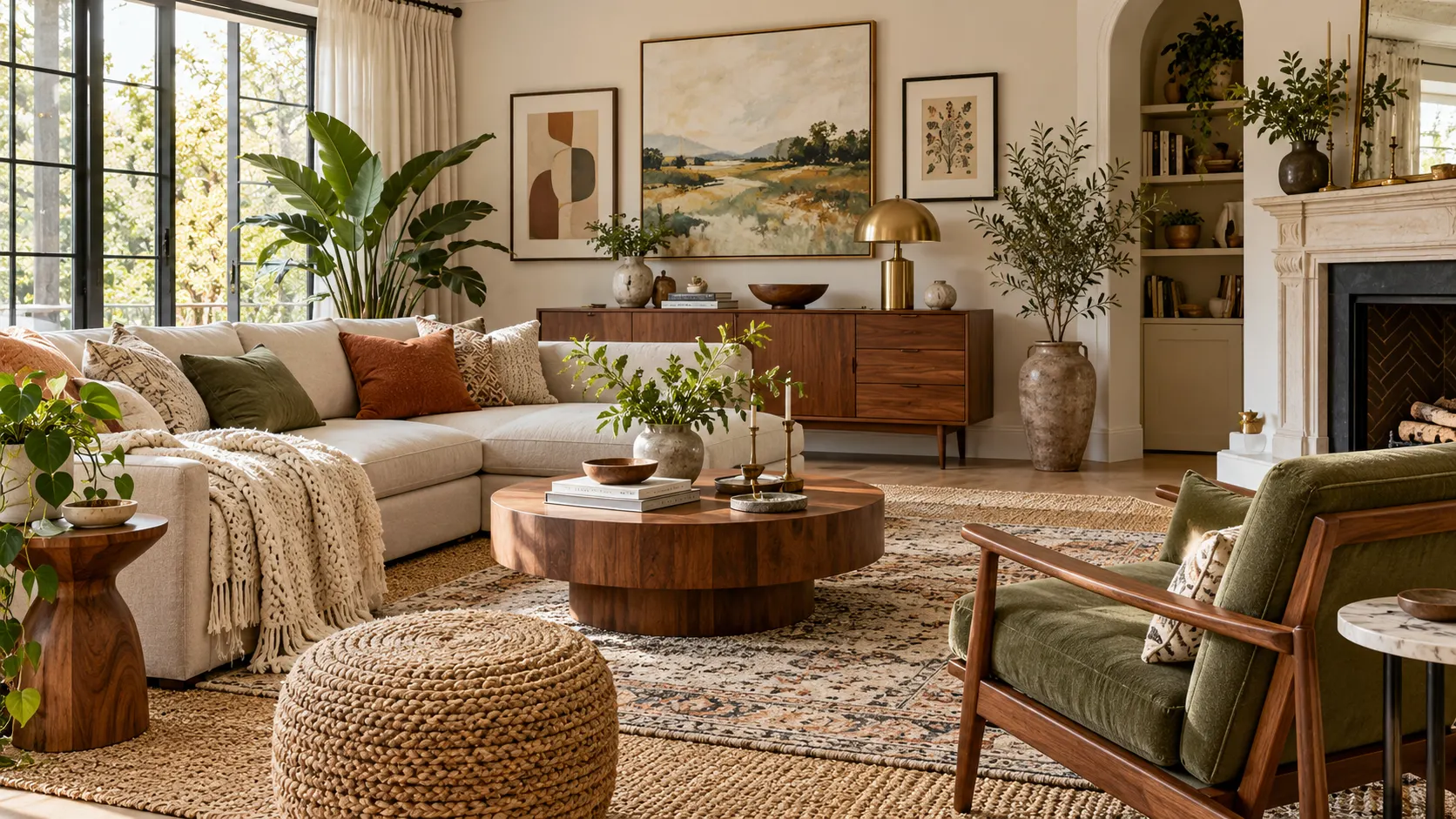
What Is an Interior Decorating Style?
An interior decorating style is a recognizable combination of colors, materials, furniture shapes, patterns, and accessories. It gives a room a sense of direction, whether you prefer clean modern lines, traditional details, relaxed coastal colors, or a collected bohemian look. A style can guide choices without requiring every item in your home to match.
You may already be drawn to certain rooms without knowing their design names. Save images that appeal to you and look for repeated details, such as pale wood, dark metal, patterned fabrics, or simple furniture. This helps turn broad inspiration into a useful plan and makes it easier to identify which types of interior decorating styles feel right.
Think of a style as a starting point rather than a strict rulebook. You can borrow a color palette from one look, furniture from another, and favorite objects from your own life. The most successful interior design homes styles often feel personal because they balance recognizable design features with practical choices for the people who live there.
Modern Interior Design
Modern interior design is rooted in a focus on function, simple forms, and uncluttered spaces. Furniture often has clean lines, smooth surfaces, and little decorative trim. Neutral colors such as white, gray, and black are common, though wood and carefully chosen accent colors can make the room feel warmer.
Materials often include glass, polished wood, steel, and concrete. A modern room may feature one sculptural light, a streamlined sofa, and a few well-chosen accessories instead of many small decorative objects. Clear surfaces and purposeful storage help maintain the look while keeping daily essentials easy to reach.
Modern design can work in apartments and larger homes alike because it values space and useful furniture. It does not have to feel cold: add textured rugs, linen curtains, warm lighting, or natural wood. If you are browsing Interior Design Decorating ideas for living room updates, a modern base can make it easier to coordinate new pieces over time.
Contemporary Interior Design
Contemporary design describes the styles and ideas popular in the present, so it can change as design preferences evolve. It often shares modern design’s clean lines, but may include softer curves, layered textures, and a broader range of materials. The result can feel current without relying on ornate details or a fixed historical look.
A contemporary room might combine a curved sofa, a simple coffee table, and a statement light fixture. Neutral backgrounds are common, but rich colors, abstract artwork, and mixed finishes can add personality. The key is to balance noticeable features with enough open space for the room to feel comfortable and usable.
Because contemporary decorating is flexible, you can update it gradually as your taste changes. Keep larger furniture pieces relatively versatile, then introduce current colors through cushions, art, lamps, and smaller accessories. This approach makes it easier to refresh a room without replacing everything whenever a new trend appears.
Traditional Interior Design
Traditional interior design takes inspiration from historic European styles and formal room arrangements. It often includes symmetrical furniture, detailed woodwork, classic patterns, and rich materials such as velvet or polished timber. The overall effect can feel established and welcoming, especially when the furnishings are arranged to support conversation.
Common details include upholstered chairs, carved furniture legs, patterned rugs, decorative mirrors, and framed artwork. Colors may include cream, navy, burgundy, forest green, or warm brown. Traditional rooms can feel formal, but comfortable fabrics and thoughtful lighting help make them suitable for everyday family life.
You do not need antiques or a large house to use traditional elements. A classic armchair, a framed landscape, or a patterned rug can introduce the look in a smaller room. Pairing one or two traditional pieces with simpler furniture gives the space character without making it feel crowded or overly formal.
Mid-Century Modern Style
Mid-century modern design draws on furniture and architecture from the middle of the twentieth century. Its recognizable features include tapered legs, organic curves, practical storage, and a mix of wood with metal or molded materials. The style often feels light because many pieces sit off the floor on visible legs.
Warm wood tones, especially walnut and teak-inspired finishes, are common alongside colors such as mustard, olive, rust, and teal. A low-profile sofa or sideboard can anchor the room, while a geometric rug or starburst clock provides a distinctive accent. The shapes are noticeable, so a few pieces can establish the mood.
When using this style, consider the scale of vintage-inspired furniture alongside modern needs. A compact sideboard may offer useful storage, while a chair with a curved silhouette can soften a boxy room. Combine these pieces with contemporary lighting or neutral walls to create a balanced home rather than a period display.
Scandinavian Interior Design
Scandinavian design emphasizes natural light, simple forms, practical function, and a connection to nature. Pale walls and light wood help brighten interiors, while soft textiles add warmth in colder seasons. The look is usually uncluttered, but it can still feel comfortable through layered rugs, throws, and cushions.
Furniture often features clean shapes and useful details rather than heavy ornament. Add woven baskets, ceramic pieces, linen, and plants to introduce texture without overwhelming the room. A limited palette of white, beige, gray, and gentle natural tones can help small spaces feel open and cohesive.
This style works well for people who want rooms to feel calm and easy to maintain. Prioritize storage that keeps everyday items organized, then display a few meaningful objects instead of filling every surface. Warm lighting is especially helpful, since a bright room by day should still feel inviting in the evening.
Japandi Decorating Style
Japandi blends Scandinavian simplicity with Japanese design influences. It favors calm spaces, natural materials, thoughtful craftsmanship, and objects chosen for their usefulness or beauty. The palette is often restrained, with warm neutrals, soft black, earthy green, and natural wood creating a quiet, grounded atmosphere.
Furniture tends to have simple silhouettes and a low, balanced profile. Choose pieces made from wood, bamboo, linen, or other tactile materials, and leave breathing room around them. Handmade ceramics and a carefully placed branch or plant can add interest without creating visual clutter.
Japandi is less about making a room look empty and more about being selective. Keep the items that serve a purpose or matter to you, then find storage for the rest. The resulting home can feel restful while still showing personality through texture, shape, and a few distinctive details.
Industrial Interior Design
Industrial style takes inspiration from warehouses, workshops, and other utilitarian spaces. Exposed brick, visible pipes, concrete, dark metal, and unfinished wood are common features. Furniture often has sturdy shapes and practical construction, giving rooms a direct, functional character.
A room does not need original factory details to use this style. Metal shelving, a reclaimed wood table, a black-framed mirror, or a pendant light with a simple shade can suggest an industrial influence. Mix these harder materials with rugs, cushions, and upholstered seating so the room feels comfortable rather than stark.
Industrial decorating often suits lofts and open-plan spaces, but smaller homes can use it in focused accents. Avoid making every surface dark or heavily distressed, which can make a room feel visually dense. Balance black metal and rough textures with daylight, warm wood, and softer fabrics.
Farmhouse and Modern Farmhouse Style
Farmhouse decorating takes cues from country homes and practical rural interiors. Natural wood, simple cabinetry, comfortable seating, and familiar patterns such as stripes or checks help create an easygoing atmosphere. Traditional farmhouse rooms may feature vintage pieces, while modern farmhouse spaces use cleaner lines and more restrained decoration.
A modern farmhouse palette often combines white, warm beige, muted green, and wood tones. Black hardware or lighting can add contrast, while woven baskets and linen soften the finish. The goal is a room that feels relaxed and lived in, not a collection of themed accessories.
Use farmhouse elements selectively to avoid a room feeling overly rustic. A wooden dining table, a simple pendant, or a vintage-style rug can bring warmth without covering every surface in distressed finishes. Pair these details with comfortable furniture and practical storage to make the style work for daily routines.
Bohemian Interior Design
Bohemian decorating is relaxed, expressive, and often built from a mix of colors, patterns, and collected objects. It can include layered rugs, patterned cushions, plants, woven pieces, artwork, and furniture from different periods. The look tends to feel personal because it makes room for travel finds, handmade items, and meaningful keepsakes.
A successful bohemian room still benefits from some visual connection. Repeat a few colors across fabrics and artwork, or use natural textures such as rattan, cotton, jute, and wood to tie together varied pieces. Plants can add height and freshness, while a large rug can help define the seating area.
Start with a few favorite items and build the room over time rather than buying a complete matching set. This keeps the result authentic and gives you room to adjust the arrangement. If patterns are bold, balance them with a calm wall color or solid upholstery so the space remains comfortable to look at.
Coastal and Mediterranean Styles
Coastal interiors borrow colors and textures associated with the sea, such as soft blue, sandy beige, white, and natural fibers. Light fabrics, weathered wood, and open window treatments help create an airy mood. The style can feel casual and bright without relying on obvious nautical decorations.
Mediterranean design often has warmer colors and more pronounced texture. Terracotta, olive green, cream, patterned tile, carved wood, and wrought iron may appear alongside stucco-like surfaces. It can feel relaxed but grounded, with details that reflect sunlit landscapes and handcrafted materials.
Both styles can be adapted to different climates and home types. Use coastal elements for a cooler, lighter look, or borrow Mediterranean materials for added warmth and color. Keep the design tied to your actual surroundings by choosing materials that are comfortable and durable in your home.
Transitional Interior Design
Transitional style combines traditional details with contemporary simplicity. It might pair a classic upholstered sofa with a streamlined coffee table or use traditional paneling alongside modern art. This balance can feel familiar and current at the same time, which makes the style useful for homes with mixed furniture.
The palette is often calm and flexible, using warm neutrals, soft gray, or muted colors. Furniture may have gentle curves without elaborate carving, and decorative accessories are usually chosen in moderation. Texture, rather than heavy pattern, can bring depth through upholstery, rugs, curtains, and wood finishes.
Transitional decorating is a practical option if you do not want to commit to one specific period or trend. Keep the larger pieces balanced in shape and color, then use artwork and accessories to show more of your taste. This can help existing furniture feel connected even when it comes from different sources.
How to Choose a Style for Your Home
Start by thinking about how you use each room, not just how you want it to appear in photos. A family living room may need washable fabrics and flexible seating, while a bedroom may benefit from a quieter palette and softer lighting. Practical needs help narrow down the styles and materials that will suit your home.
Collect images of rooms you like and look for patterns across them. Notice the colors, furniture shapes, finishes, and amount of decoration that appear repeatedly. If your saved images include several different styles, identify the shared qualities—perhaps natural wood, uncluttered surfaces, or warm neutral colors—before deciding on a direction.
To home decor style your home, make a short list of priorities such as comfort, storage, color, and budget. Choose one room or area to update first, then select a few pieces that support those priorities. A clear plan helps prevent impulse purchases and gives you a better chance of creating a home that feels consistent.
How to Mix Decorating Styles Successfully
You can mix styles without making a room feel disjointed if you give them something in common. Shared colors, materials, shapes, or visual weight can connect otherwise different pieces. For example, a traditional wood cabinet and a modern sofa may work together when their tones complement each other and the room has a consistent palette.
Decide which style will lead and which one will contribute accents. A Scandinavian base could include one mid-century chair, while a contemporary room might use a traditional rug for warmth. This simple hierarchy keeps the room from feeling like several unrelated design ideas competing at once.
Use repetition to create a sense of intention. Repeat a metal finish in lighting and hardware, or echo a color from the rug in the artwork and cushions. When exploring what types of interior design styles are there, remember that real homes often borrow from several; the important part is making those choices feel connected.
Conclusion
Interior decorating styles offer useful ways to describe different looks, from modern and Scandinavian to farmhouse, coastal, and transitional. Each has recognizable colors, materials, and furniture shapes, but none needs to be followed exactly. Understanding the options helps you identify what you enjoy and make more confident decisions for your rooms.
Begin with how you want your home to feel and function. Notice the details that repeatedly appeal to you, then choose a palette and a few key pieces that support them. You can add accessories over time, keeping the rooms practical and personal as your taste develops.
The best decorating style is one that suits your routines and feels comfortable to live with. Mix influences thoughtfully, keep useful items accessible, and display things that matter to you. With a clear direction and a flexible approach, your home can feel cohesive without looking copied from a catalog.
FAQs
What are the most popular interior decorating styles?
Popular styles include modern, contemporary, traditional, Scandinavian, mid-century modern, farmhouse, industrial, bohemian, coastal, and transitional. Many homes combine elements from more than one style to suit their owners’ preferences and routines.
How do I find my interior design style?
Save room images you like and look for repeated colors, materials, furniture shapes, and patterns. Consider your daily needs and budget as well, then try a few small changes before making larger purchases.
Can I mix different decorating styles in one room?
Yes. Choose one style as the foundation and use another for a few accents. Shared colors, materials, or shapes can connect the pieces and help the room feel cohesive.
What interior design style makes a home feel cozy?
Scandinavian, farmhouse, traditional, and bohemian styles can all feel cozy when they use comfortable seating, warm lighting, soft textiles, and personal details. The best choice depends on your preferred colors and level of decoration.
Should every room in my home have the same style?
No. Rooms can have different moods while still feeling connected. Repeating a few colors, wood tones, or finishes throughout the home creates continuity without requiring every room to use identical furniture or décor.


[…] advantage is the clarity that visual evidence can provide during plumbing assessments. Rather than relying […]