
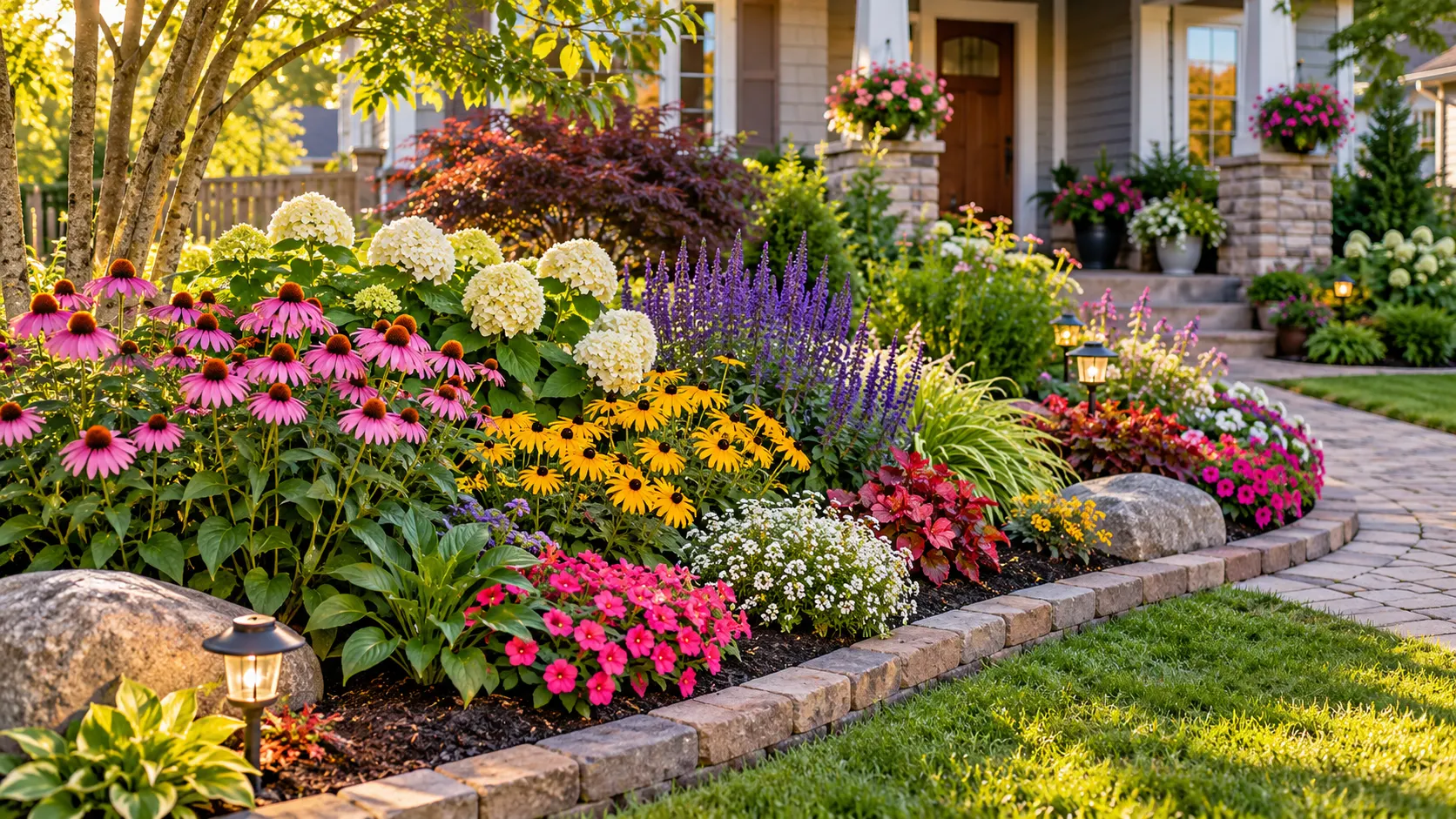
Choose the Right Location for Your Flower Bed
A beautiful flower bed begins with choosing the right location. Walk around your yard and notice how much sunlight different areas receive during the day. Most flowering plants need several hours of direct sun, while some prefer partial shade. Selecting a spot that naturally suits the plants you want to grow will make maintenance easier and encourage stronger blooming.
Also consider how the flower bed will look from different parts of your property. A bed near the entrance can improve curb appeal, while one beside a patio can create a colorful view from your seating area. Avoid placing the bed where it will block walkways, interfere with drainage, or become difficult to reach for watering and routine care.
Think about nearby trees, walls, fences, and buildings as well. Large trees can compete with flowers for moisture and nutrients, while walls may create extra shade or reflected heat. Choosing a balanced location from the beginning reduces future problems and gives your flower garden a stronger foundation for healthy, attractive growth.
Decide on the Shape and Size
The shape of your flower bed can influence the overall appearance of your garden. Curved beds often create a softer, more natural look, while straight lines work well in modern or formal landscapes. Use a garden hose, rope, or chalk to outline the planned shape before digging so you can easily make adjustments.
Size should match both your available space and the amount of maintenance you are comfortable handling. A large flower bed creates a dramatic display but requires more plants, mulch, watering, and weeding. Beginners may find a smaller bed easier to manage while they learn how different flowers grow and respond to local conditions.
Make sure the bed is wide enough to create layers of plants without becoming overcrowded. Narrow beds can limit your design choices, while extremely deep beds may make the center difficult to reach. A practical size allows you to access plants for pruning, watering, and cleaning without stepping onto the soil and compacting it.
Prepare the Soil Properly
Healthy soil is one of the most important parts of creating a successful flower bed. Remove existing grass, weeds, stones, and large roots from the planting area. Loosen the soil to a comfortable digging depth so new roots can spread easily instead of struggling against compacted ground.
Adding organic matter can improve both soil structure and fertility. Compost, aged organic material, or suitable garden soil can help heavy soil drain better while helping sandy soil hold more moisture. Mix amendments evenly rather than leaving them in isolated pockets, since plant roots will eventually spread throughout the entire bed.
Good drainage is essential because many garden flowers dislike sitting in constantly wet soil. After rainfall or watering, check whether water remains pooled for long periods. If drainage is poor, consider raising the bed slightly or adding suitable organic matter before planting. Correcting soil problems early is much easier than rescuing struggling flowers later.
Choose Flowers That Suit Your Conditions
Select plants according to the sunlight, soil, temperature, and moisture conditions in your garden. A flower may look beautiful at the nursery but struggle if your yard does not provide what it needs. Choosing varieties naturally suited to your environment reduces watering, fertilizing, pest problems, and plant replacement.
Consider bloom season when selecting flowers. Some varieties flower mainly in spring, while others perform best during summer or autumn. Combining plants with different flowering periods helps keep your bed colorful for longer instead of producing one dramatic display followed by several months of limited interest.
Mix annuals and perennials if you want both flexibility and long-term structure. Annual flowers can provide quick seasonal color, while perennials return for multiple years in suitable climates. This combination makes it easier to change part of the design each season without rebuilding the entire flower bed from the beginning.
Create a Balanced Color Scheme
Color planning can turn a simple collection of flowers into a coordinated garden design. Begin by choosing two or three main colors that work well together. You can create a calm appearance with similar shades or use contrasting colors such as purple and yellow for a brighter, more energetic flower bed.
Avoid using every available flower color simply because each one looks attractive individually. Too many unrelated shades can make a small bed feel visually busy. Repeating the same colors in several areas creates rhythm and helps the garden look more intentional, especially when the flowers are viewed from a distance.
Foliage also contributes to the color scheme. Green leaves come in many shades, while some plants have silver, burgundy, blue-green, or variegated foliage. Including interesting leaves keeps the flower bed attractive even when certain plants are not blooming and provides a calmer background for stronger flower colors.
Arrange Plants by Height and Shape
Plant height is important when creating a flower bed that looks full without hiding smaller varieties. In beds viewed mainly from one side, place taller flowers toward the back, medium plants in the middle, and shorter varieties near the front. This layered arrangement allows more blooms to remain visible.
For an island bed that can be viewed from several directions, place taller plants closer to the center. Surround them with medium-height varieties and finish the edges with low-growing flowers. This creates a gradual transition in height and makes the bed look balanced from different viewpoints around the garden.
Plant shape matters too. Combine upright flowers with rounded plants, spreading ground covers, and delicate forms to create visual variety. Repeating some shapes prevents the design from feeling random. The best flower beds balance differences in height and form while still allowing every plant enough room to reach its mature size.
Plant Flowers With Proper Spacing
It can be tempting to plant flowers very close together so the bed looks full immediately. However, overcrowding can reduce airflow, increase competition for water and nutrients, and make some plants more vulnerable to disease. Check the expected mature width of each variety and give it enough room to develop properly.
Newly planted beds may look slightly empty during the first few weeks, but healthy plants often spread quickly. Filling every small space at planting time can create problems later when leaves and stems begin overlapping. Patience usually produces a healthier and more attractive flower bed than forcing instant fullness.
You can use temporary annuals to fill open areas while slower perennials develop. This adds color without permanently overcrowding the design. As permanent plants mature, reduce the number of temporary fillers. Proper spacing makes pruning, watering, and weeding easier while allowing individual flowers to display their natural shape.
Add Mulch for a Clean Finished Look
Mulch gives a flower bed an immediate finished appearance while providing several practical benefits. A layer around plants can reduce weed growth, slow moisture loss, and protect soil from sudden temperature changes. Organic mulch can also gradually improve soil as it breaks down over time.
Apply mulch evenly but avoid piling it directly against plant stems or crowns. Excess material around the base can trap unwanted moisture and encourage rot. Leave a small gap around each plant so air can circulate. A moderate layer is usually more useful than an extremely thick covering.
Choose mulch that complements the style of your landscape. Natural bark, shredded organic material, or other suitable options can create a clean background that makes flower colors stand out. Refresh the mulch when it becomes thin or begins breaking down, but avoid adding new layers repeatedly without checking the existing depth.
Water Your Flower Bed Correctly
Newly planted flowers usually need more frequent watering while they develop strong root systems. Water deeply enough to moisten the root zone rather than applying a small amount only to the surface. Deep watering encourages roots to grow downward, helping plants become more resilient during dry weather later.
Once established, watering frequency depends on plant type, soil, temperature, and rainfall. Instead of following the same schedule every day, check the soil and water when necessary. Overwatering can be just as harmful as underwatering because constantly wet roots may struggle to receive enough oxygen.
Morning is generally a practical time to water because plants can absorb moisture before the warmest part of the day. Watering near the soil rather than repeatedly soaking leaves may also reduce some disease problems. Drip irrigation or soaker hoses can make watering easier, especially in larger flower beds.
Keep Weeds and Faded Flowers Under Control
Regular light maintenance keeps a flower bed looking better than occasional major cleanup. Pull weeds while they are still small and before they produce seeds. Removing them early requires less effort and prevents them from competing with your flowers for water, nutrients, sunlight, and growing space.
Deadheading, or removing faded flowers, can improve the appearance of many plants and sometimes encourage additional blooming. Use clean garden scissors or pinch off old blooms according to the plant type. Not every flower requires deadheading, so learn which varieties benefit before turning it into an unnecessary routine.
Inspect the bed once or twice a week rather than waiting for problems to become obvious. Look for weeds, damaged leaves, pests, broken stems, or plants that appear unusually dry. Short, regular checks make garden care easier because small problems can often be corrected before they affect the entire flower bed.
Add Edging and Decorative Features
Edging helps define the shape of your flower bed and creates a clean separation between flowers and surrounding lawn or pathways. Options include stone, brick, metal, wood, or a simple cut soil edge. Choose a material that matches your home and landscape rather than adding something that competes with the flowers.
Decorative elements can add personality when used carefully. A small birdbath, garden ornament, decorative pot, or stepping stone can create a focal point among the plants. Avoid filling the bed with too many accessories because the flowers should remain the main visual feature rather than becoming background decorations.
Lighting can also improve the bed after sunset. Small landscape lights placed near pathways or selected plants can highlight shapes and improve visibility around the garden. Use lighting selectively and avoid overly bright fixtures. A few well-positioned lights often create a more attractive evening effect than illuminating every part of the bed.
Plan for Seasonal Changes
A stunning flower bed should be designed with more than one season in mind. Spring bulbs may create early color, summer perennials can provide the main display, and late-blooming flowers can extend interest into autumn. Planning for changing bloom times prevents the garden from looking empty after one group finishes flowering.
Foliage and plant structure become particularly important when flowers are not in bloom. Ornamental grasses, evergreen plants, attractive seed heads, and textured leaves can maintain visual interest during quieter periods. These elements give the bed a stronger framework and reduce dependence on continuous flowering.
Keep notes about what performs well each year. Record bloom times, plant sizes, problem areas, and combinations you especially like. This information makes future planning easier and helps you improve the flower bed gradually. A garden becomes more attractive over time when you learn from each growing season instead of redesigning everything repeatedly.
Conclusion
Creating a stunning flower bed at home begins with good planning. Choose the right location, prepare healthy soil, select suitable plants, and organize them according to height, spacing, color, and bloom season. These early decisions make a much greater difference than constantly trying to correct problems after planting.
Simple maintenance keeps the bed looking attractive throughout the growing season. Water deeply when needed, remove weeds early, deadhead suitable flowers, and maintain a clean layer of mulch. Regular short care sessions are usually easier and more effective than waiting until the garden becomes overgrown or unhealthy.
Your flower bed does not need to be perfect immediately. Plants grow, seasons change, and your preferences may develop over time. Start with a clear design, observe how the garden performs, and make thoughtful adjustments each year. With patience and practical planning, you can create a colorful, balanced flower bed that improves your outdoor space.
FAQs
What is the best location for a flower bed?
Choose a location based on the sunlight needs of your preferred plants. Many flowering varieties perform best with several hours of direct sun, while others are better suited to partial shade.
How do I prepare soil for a new flower bed?
Remove grass, weeds, roots, and stones, then loosen the soil thoroughly. Mix in compost or suitable organic matter to improve fertility, drainage, and moisture retention before adding new plants.
How many different flowers should I use?
There is no fixed number, but repeating a smaller selection often creates a more organized appearance. Combine several varieties with different heights, bloom times, and textures instead of using too many unrelated plants.
Should I use annuals or perennials in a flower bed?
Using both can work well. Perennials provide long-term structure and return each year, while annuals offer quick seasonal color and make it easy to change parts of the design regularly.
How can I keep my flower bed looking good all season?
Combine plants with different bloom times, mulch the soil, remove weeds regularly, water properly, and deadhead suitable flowers. Including attractive foliage also keeps the bed interesting between flowering periods.


[…] clear transition between surfaces helps the design feel planned. You might use green tile on the lower half of the […]