
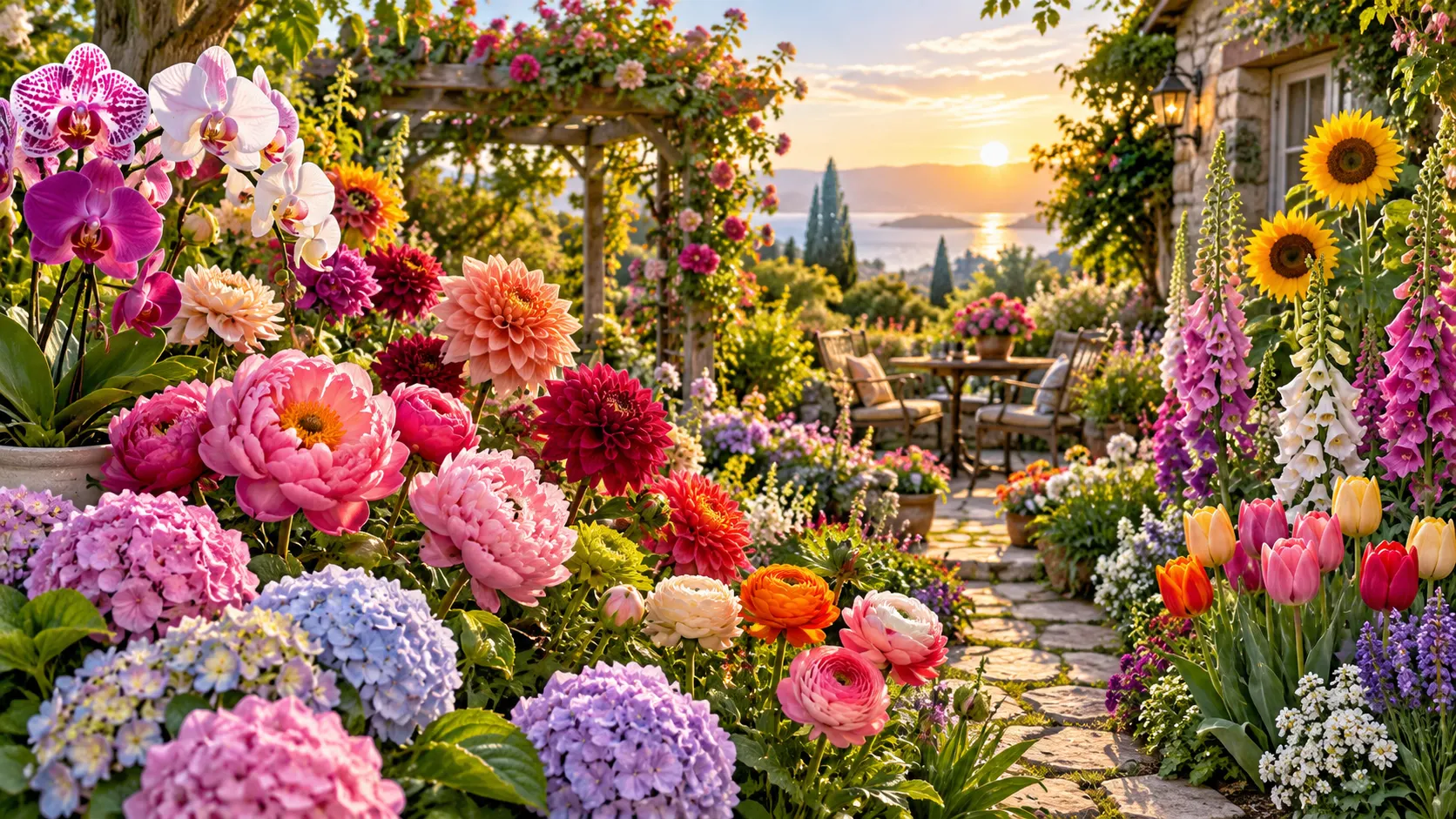
Flowers bring color, beauty, and personality to gardens, balconies, and outdoor spaces. While traditional roses and daisies remain popular, some flowers stand out because of their unusual shapes, striking colors, fascinating patterns, and extraordinary appearances. These remarkable blooms can transform an ordinary garden into a beautiful landscape filled with interesting plants and eye-catching floral displays.
The coolest flowers include exotic orchids, colorful dahlias, delicate bleeding hearts, unusual passionflowers, and spectacular bird of paradise blooms. Some varieties feature intricate petals, while others resemble animals, stars, or delicate hanging lanterns. Their unique characteristics make them popular among gardeners, plant enthusiasts, photographers, and people who enjoy discovering unusual flowers.
Whether you have a spacious backyard, a small balcony, or a collection of indoor plants, there are many beautiful flowers worth exploring. Choosing the right varieties depends on your climate, available sunlight, soil conditions, and gardening experience. This guide introduces some of the coolest flowers you can grow and provides practical tips for keeping them healthy and attractive.
What Makes a Flower Cool and Unique?
A flower becomes particularly interesting when it displays unusual characteristics that distinguish it from more familiar garden plants. These features may include extraordinary petal arrangements, vibrant color combinations, distinctive fragrances, or surprising shapes. Some flowers develop intricate patterns that attract pollinators, while others produce dramatic blooms that stand out in garden landscapes.
Flower diversity is also influenced by the remarkable ways plants have adapted to their environments. Certain species attract insects or birds through specialized structures, while others bloom under particular seasonal conditions. Understanding these natural adaptations helps gardeners appreciate flowers beyond their decorative appearance and recognize their ecological importance.
Personal preference also plays an important role in deciding which flowers are the coolest. Some gardeners enjoy rare tropical blooms, while others prefer hardy flowering plants that return year after year. The most rewarding choices combine visual appeal with practical growing requirements suited to your available space and local climate.
1. Bird of Paradise – A Stunning Tropical Flower
Bird of paradise is one of the most recognizable exotic flowering plants, famous for blooms that resemble colorful birds in flight. Its striking orange and blue flowers emerge above large green leaves, creating a dramatic tropical appearance. The plant is especially attractive in warm gardens and bright indoor spaces with suitable growing conditions.
This flowering plant generally prefers abundant sunlight, well-draining soil, and consistent moisture during active growth. It can tolerate some variation in watering, but waterlogged roots may cause problems. Bird of paradise often performs best in warm environments where temperatures remain relatively stable and the plant receives sufficient light.
Gardeners should provide enough space because mature bird of paradise plants can develop broad leaves and substantial foliage. Container-grown plants may take time to establish before flowering. With appropriate care and patience, bird of paradise can become a beautiful focal point in tropical-inspired gardens and landscaped outdoor spaces.
2. Passionflower – A Flower With Extraordinary Patterns
Passionflowers are among the most unusual flowers in the plant world because of their intricate structures and remarkable color combinations. Their blooms often feature delicate petals surrounding elaborate filaments arranged in circular patterns. Depending on the species, passionflowers may display shades of purple, white, blue, pink, or red.
Many passionflower species grow as climbing vines that can cover trellises, fences, and garden supports. They generally prefer bright sunlight and soil that drains well while retaining moderate moisture. Growth habits and cold tolerance vary considerably between species, making it important to choose a variety suited to local conditions.
Passionflowers can also attract beneficial pollinators, including bees and butterflies, depending on the species and region. Some varieties produce edible passion fruits, while others are grown mainly for ornamental purposes. Their unusual floral structure makes them excellent choices for gardeners who appreciate distinctive and visually complex blooms.
3. Bleeding Heart – Beautiful Heart-Shaped Flowers
Bleeding heart is a charming flowering perennial known for its delicate blossoms that resemble small hearts hanging from arching stems. Its most familiar varieties produce pink-and-white or white flowers during spring. The unusual shape and graceful arrangement of the blooms give the plant a distinctive appearance in shaded gardens.
Bleeding hearts typically prefer partial shade, fertile soil, and consistent moisture without waterlogging. They grow particularly well in regions with cool spring weather and moderate summer conditions. Excessive heat can cause the foliage to decline earlier in the growing season, which is a natural response for certain varieties.
These plants look beautiful alongside ferns, hostas, and other shade-loving garden species. Their arching stems create an elegant appearance along woodland paths and shaded borders. Because the plant can become dormant after flowering, combining it with later-growing perennials can help maintain an attractive garden throughout the season.
4. Dahlia – Spectacular Flowers in Endless Colors
Dahlias are among the most impressive ornamental flowers because of their enormous variety of shapes, sizes, and colors. Their blooms range from small rounded flowers to large decorative varieties with densely arranged petals. Gardeners can choose from numerous shades, including red, pink, purple, yellow, orange, white, and multicolored combinations.
Dahlias generally grow best in locations receiving plenty of sunlight and having fertile, well-draining soil. They develop from tuberous roots and often require regular moisture during active growth. Larger varieties may benefit from suitable support because heavy flowers can weigh down stems during windy or rainy weather.
One of the biggest attractions of dahlias is their extended flowering season under favorable conditions. Removing faded blossoms can encourage continued flower production and maintain a tidy appearance. In regions with freezing winters, tubers may need protection or seasonal storage, depending on local climate and the variety grown.
5. Blue Himalayan Poppy – A Rare and Beautiful Blue Bloom
The blue Himalayan poppy is famous for its delicate, papery petals and remarkable blue coloration. Its flowers can appear almost luminous under suitable lighting, making it one of the most admired unusual garden plants. The plant is particularly associated with cool, moist mountain environments where its growing requirements can be met.
Blue Himalayan poppies generally prefer cool temperatures, moist but well-draining soil, and protection from intense afternoon sunlight. They can be challenging to cultivate in hot or dry climates because their natural growing conditions are difficult to reproduce. Gardeners should carefully evaluate their local environment before selecting this flower.
When successfully established, the blue Himalayan poppy creates an extraordinary display in suitable woodland or cool-climate gardens. Its unusual color pairs beautifully with ferns and other moisture-loving plants. Although it requires more specialized attention than many common flowers, its spectacular appearance makes it a fascinating choice for experienced gardeners.
6. Black Bat Flower – One of the Most Unusual Flowers
The black bat flower is a remarkable tropical plant recognized for its dark, dramatic blooms and long, whisker-like structures. Its unusual floral arrangement resembles the shape of a bat, giving the plant its distinctive common name. The flowers may appear deep purple or nearly black under certain lighting conditions.
This plant naturally grows in warm, humid environments and generally prefers filtered light rather than direct, intense sunshine. It requires suitable moisture, excellent drainage, and protection from cold temperatures. Maintaining consistent humidity can be particularly important for successful growth in indoor or greenhouse conditions.
The black bat flower is best suited to gardeners who can provide tropical growing conditions and careful attention. Its unusual appearance makes it an interesting addition to specialized plant collections. However, the plant may struggle in dry indoor air or unsuitable soil, so understanding its environmental requirements is essential.
7. Chocolate Cosmos – A Flower With a Sweet Fragrance
Chocolate cosmos is a fascinating flowering plant known for its deep reddish-brown petals and distinctive chocolate-like fragrance. Its velvety blooms create an elegant appearance, particularly when combined with lighter flowers. The unusual scent is one of its most memorable characteristics and helps distinguish it from many other ornamental plants.
Chocolate cosmos generally prefers sunny locations and well-draining soil. Moderate watering supports healthy growth, while excessive moisture can damage its tuberous roots. The plant performs well during warm growing seasons but may require protection from freezing temperatures in colder climates.
Gardeners can use chocolate cosmos in flower borders, containers, or mixed planting arrangements. Its dark blooms create attractive contrasts with cream, yellow, and pale pink flowers. The fragrance may become especially noticeable during warm conditions, making the plant an interesting choice for garden areas where visitors can appreciate it closely.
8. Orchid – Elegant Flowers With Incredible Variety
Orchids are among the world’s most diverse flowering plants, admired for their intricate shapes, beautiful colors, and remarkable adaptations. Different orchid species produce blooms ranging from delicate miniature flowers to large, dramatic displays. Their unusual structures and long-lasting blossoms make many varieties popular as decorative indoor plants.
Phalaenopsis orchids, commonly called moth orchids, are among the more accessible choices for beginners. They generally prefer bright indirect light, suitable humidity, and a specialized growing medium that allows air around the roots. Watering requirements depend on the plant, container, and indoor environment rather than following one fixed schedule.
Other orchid varieties require different temperatures, lighting, and growing conditions, making species identification important. Some thrive in warm homes, while others prefer cooler environments or specialized greenhouse conditions. With appropriate care, orchids can provide beautiful floral displays and introduce remarkable botanical diversity into indoor gardening collections.
9. Protea – A Bold Flower With a Distinctive Shape
Proteas are spectacular flowering shrubs known for their large, architectural flower heads and unusual bracts. Many species originate from South Africa and display striking combinations of pink, red, cream, and other colors. Their dramatic appearance makes them popular in ornamental landscapes and distinctive floral arrangements.
Most cultivated proteas prefer sunny positions, excellent drainage, and soil suited to their specialized nutritional requirements. Many are sensitive to excessive phosphorus and may struggle when treated with ordinary garden fertilizers. Their tolerance for dry conditions also varies depending on the species and stage of growth.
Proteas can be beautiful additions to suitable Mediterranean-style gardens and well-drained landscapes. Their bold flowers create impressive focal points while attracting pollinators in appropriate environments. Gardeners should select species carefully because some require specific soil acidity, climate conditions, and protection from prolonged freezing temperatures.
10. Fuchsia – Beautiful Hanging Flowers for Containers
Fuchsias are popular ornamental plants known for their delicate hanging blossoms and striking two-tone color combinations. Their flowers often feature contrasting shades of pink, purple, red, and white. The graceful, lantern-like blooms make them especially attractive for hanging baskets, shaded patios, and decorative garden containers.
Many fuchsia varieties prefer partial shade and protection from intense afternoon heat. They generally perform best in well-draining soil that remains evenly moist during active growth. Some varieties tolerate cooler conditions better than others, so gardeners should choose plants suited to their local climate.
Regularly removing faded flowers and providing appropriate growing conditions can help maintain attractive floral displays. Trailing varieties look beautiful in hanging baskets, while upright forms work well in flower borders. Their colorful blossoms and elegant shapes make fuchsias appealing choices for gardeners seeking decorative plants with distinctive flowers.
11. Celosia – Bright Flowers With Unusual Textures
Celosia is a colorful ornamental plant recognized for its striking flower structures and vibrant shades. Different varieties produce feathery plumes, upright spikes, or unusual crested blooms resembling folded velvet. These distinctive textures make celosia particularly effective in colorful garden beds and decorative floral arrangements.
Celosia generally grows best in warm conditions with abundant sunlight and well-draining soil. It is commonly cultivated as an annual in regions where freezing temperatures occur. The plant can tolerate some heat once established, although consistent care supports better flowering and healthier growth.
Gardeners can use celosia to introduce bright colors and interesting shapes into summer planting schemes. Its flowers may appear in red, orange, yellow, pink, and purple shades. Some varieties are also popular as dried flowers because their unusual structures can remain decorative after careful drying.
12. Hellebore – Beautiful Flowers That Bloom in Cool Weather
Hellebores are elegant perennial plants admired for their attractive flowers and ability to bloom during late winter or early spring in many climates. Their blossoms often appear in shades of white, pink, purple, green, and dark burgundy. The flowers create welcome color when many other garden plants remain dormant.
Hellebores typically prefer partial shade, fertile soil, and good drainage. They often perform well in woodland-style gardens or beneath deciduous trees where sunlight changes seasonally. Once established, many varieties are relatively low-maintenance, although they benefit from appropriate moisture and protection from unsuitable conditions.
Their flowers have a distinctive nodding appearance, which adds subtle character to shaded borders. Hellebores combine beautifully with spring bulbs, ferns, and other woodland plants. Gardeners should handle them carefully because all parts of the plant can be harmful if ingested and may irritate sensitive skin.
13. Allium – Striking Globe-Shaped Flowers
Ornamental alliums are remarkable flowering plants known for their spherical clusters of tiny blossoms. Their globe-shaped flower heads rise above slender stems, creating a striking architectural appearance in garden landscapes. Depending on the variety, blooms may appear purple, pink, white, or other attractive shades.
Many ornamental alliums grow from bulbs and prefer sunny locations with well-draining soil. They are often planted during autumn in regions with suitable seasonal conditions. Once established, many varieties require relatively little attention and produce impressive floral displays during spring or early summer.
Alliums are particularly attractive when planted in groups among perennial flowers and ornamental grasses. Their tall stems create visual height, while the rounded blooms add interesting geometric shapes. Certain varieties also attract bees and other pollinators, making them useful additions to thoughtfully planned flower gardens.
14. Lotus – A Beautiful Aquatic Flower
The lotus is one of the most recognizable aquatic flowers, famous for its elegant petals and large rounded leaves. Its blossoms often appear in shades of pink, white, or soft yellow. The plant holds cultural significance in several Asian traditions and is widely admired for its beauty and symbolism.
Lotus plants grow in freshwater environments and require suitable aquatic growing conditions. They generally prefer abundant sunlight, warm temperatures, and containers or ponds that accommodate their underground rhizomes. Proper water depth and appropriate planting media are important for healthy development and successful flowering.
A flowering lotus can become a spectacular focal point in a suitable water garden. Its large leaves and graceful blossoms create a distinctive appearance that differs from ordinary flower beds. Gardeners should research local regulations and choose appropriate varieties because aquatic plants can spread aggressively in unsuitable natural environments.
15. Japanese Anemone – Elegant Flowers for Late-Season Gardens
Japanese anemones are graceful perennial flowers known for their delicate petals and prominent central structures. Their blossoms commonly appear in shades of white and pink, often during late summer and autumn. The flowers rise on slender stems above attractive green foliage, creating a light and natural appearance.
These plants generally prefer partial shade and soil that retains moderate moisture while draining well. They can establish slowly but may spread through underground structures once growing conditions are favorable. Gardeners should provide enough space and monitor their growth because some varieties can become vigorous in suitable environments.
Japanese anemones are attractive additions to woodland borders and naturalistic planting schemes. Their late-season flowers provide color when some summer blooms begin fading. Combining them with ornamental grasses, ferns, and other perennials can create beautiful garden arrangements that remain interesting through seasonal transitions.
How to Choose the Coolest Flowers for Your Garden
Choosing unusual flowers begins with understanding the growing conditions available in your garden or home. Sunlight, temperature, humidity, soil type, and available space all influence which plants will thrive. Selecting flowers suited to these conditions generally produces better results than choosing varieties based only on their appearance.
Gardeners should also consider flowering seasons and maintenance requirements. Some flowers bloom for extended periods, while others produce spectacular displays for only a short time. Combining different species with overlapping or successive blooming periods can help create a colorful garden throughout much of the growing season.
Personal preferences also influence plant selection. Some gardeners enjoy fragrant blooms, while others prefer striking shapes, unusual colors, or pollinator-friendly flowers. By balancing visual interest with practical care requirements, you can create a garden that feels distinctive while remaining manageable and enjoyable.
Essential Tips for Growing Unique and Beautiful Flowers
Healthy flowering plants depend on suitable soil, appropriate watering, and sufficient light. Different species have different requirements, so understanding individual growing conditions is essential. Plants adapted to dry environments may suffer from excessive watering, while moisture-loving varieties can struggle when soil becomes consistently dry.
Good drainage is particularly important because waterlogged soil can damage plant roots and encourage certain diseases. Containers should include suitable drainage openings, while garden beds may require soil improvements according to local conditions. Using fertilizers carefully and following plant-specific guidance can also help support healthy growth.
Regular observation helps gardeners identify problems before they become serious. Changes in leaf color, unusual spotting, poor growth, or damaged flowers may indicate environmental stress or pests. Responding with appropriate care adjustments and avoiding unnecessary chemical treatments can support healthier plants and a more balanced garden environment.
Common Mistakes to Avoid When Growing Unusual Flowers
One common mistake is selecting exotic flowers without researching their climate requirements. A plant that thrives in humid tropical conditions may struggle in a dry home or garden. Understanding temperature tolerance, sunlight preferences, and seasonal behavior helps prevent unnecessary disappointment.
Another mistake is using the same watering and fertilizing routine for every flower. Different plants absorb moisture and nutrients at different rates, depending on their natural habitats and growth patterns. Excessive watering, unsuitable soil, and inappropriate fertilizer can interfere with flowering or damage sensitive root systems.
Gardeners should also avoid introducing unfamiliar plants into natural environments without checking whether they may become invasive. Some attractive ornamental species spread rapidly outside cultivation and can disrupt local ecosystems. Choosing appropriate varieties and following local gardening guidance helps protect both cultivated gardens and surrounding habitats.
Conclusion
The coolest flowers offer an extraordinary variety of shapes, colors, textures, and growing habits that can transform gardens into beautiful natural displays. From the dramatic bird of paradise and unusual black bat flower to colorful dahlias and delicate bleeding hearts, every species has distinctive characteristics. These remarkable blooms provide endless inspiration for gardeners and flower enthusiasts.
Choosing the right flowers involves understanding their natural growing requirements and matching them with available conditions. Some varieties are suitable for beginners, while others require specialized soil, humidity, or temperature management. Combining attractive flowers with realistic care expectations helps create a successful and enjoyable gardening experience.
Whether you prefer tropical plants, unusual perennials, or colorful seasonal blooms, exploring different flower varieties can make gardening more exciting. With thoughtful selection, suitable growing conditions, and consistent care, you can create a space filled with remarkable flowers. The beauty of gardening lies in discovering plants that inspire curiosity while bringing lasting enjoyment to your surroundings.
Frequently Asked Questions (FAQs)
1. What are the coolest flowers to grow?
Some of the coolest flowers include bird of paradise, passionflower, black bat flower, bleeding heart, dahlia, and chocolate cosmos. These plants stand out because of their unusual shapes, colors, and distinctive characteristics.
2. Which unusual flowers are easiest to grow?
Dahlias, celosia, ornamental alliums, and certain fuchsia varieties can be manageable for beginners when grown in suitable climates. Choosing plants that match your local sunlight and soil conditions is important.
3. What is the most unique-looking flower?
The black bat flower is among the most unusual-looking flowers because of its dark blooms and long whisker-like structures. Passionflowers and bird of paradise also feature extraordinary floral designs.
4. Can exotic flowers grow indoors?
Yes, certain exotic flowers, including moth orchids and bird of paradise, can grow indoors with appropriate light, temperature, humidity, and care. However, flowering success depends on providing suitable environmental conditions.
5. How can I make my flower garden more colorful?
Combine flowers with different colors, heights, textures, and blooming seasons. Choose suitable varieties, provide appropriate care, and arrange plants thoughtfully to create attractive displays throughout the growing season.