
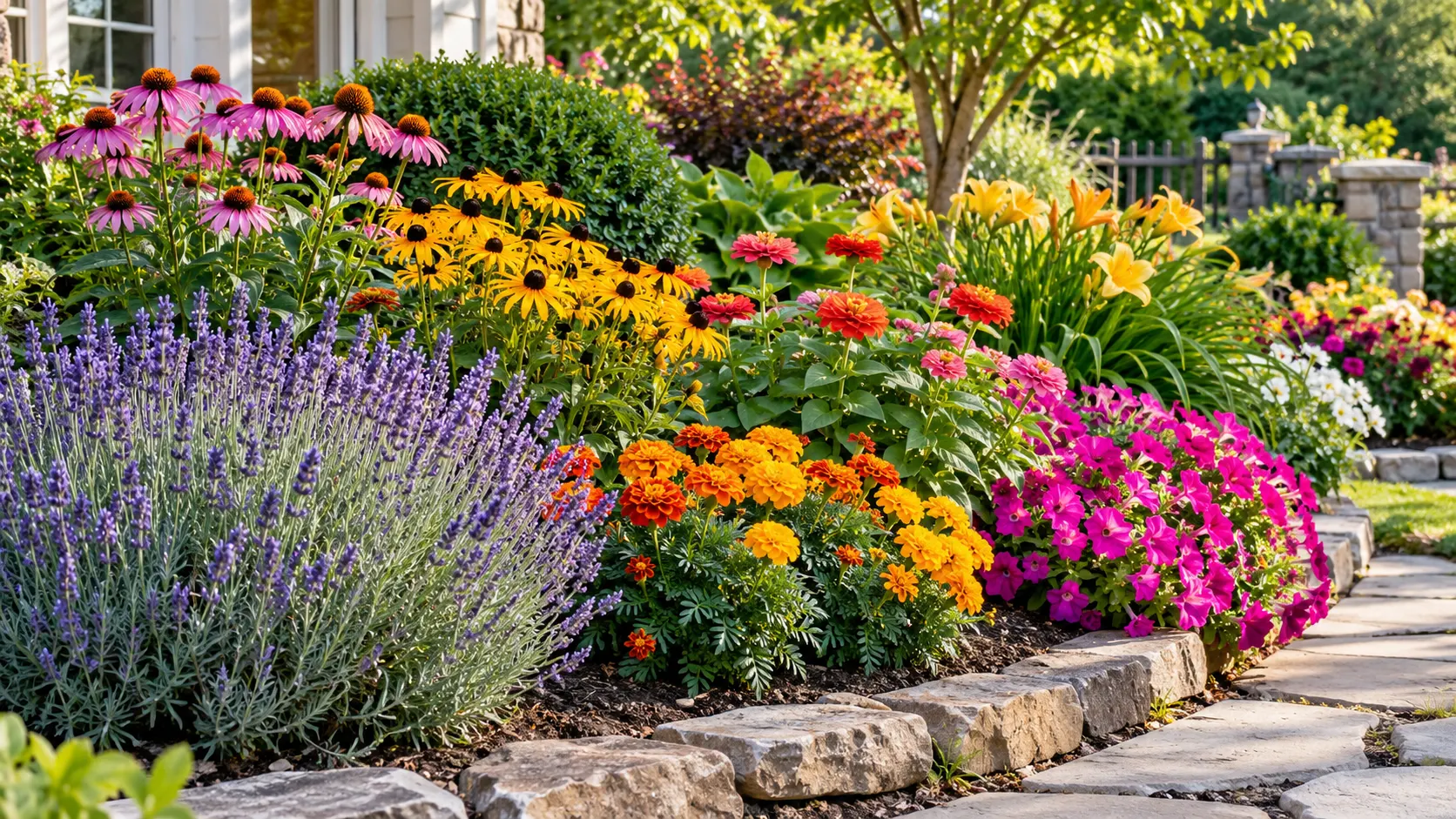
Why Low-Maintenance Flowers Are a Smart Garden Choice
Low-maintenance flowers are ideal for gardeners who want color and beauty without spending hours watering, pruning, feeding, or replacing plants. These flowers are usually hardy, adaptable, and able to handle occasional neglect. Once established, many varieties continue blooming with minimal attention, making them useful for beginners, busy homeowners, and anyone who prefers an easier gardening routine.
Choosing dependable plants can also reduce common garden problems. Flowers that suit your local climate and soil are less likely to struggle with heat, drought, or changing weather conditions. This means you can spend more time enjoying your garden instead of constantly trying to rescue plants that need special care or frequent adjustments.
A low-maintenance flower garden can still look colorful and well designed. By combining different bloom times, heights, and flower shapes, you can create interest throughout the growing season. The key is selecting varieties that naturally perform well in your space and giving them the right amount of sunlight, drainage, and room to grow.
Coneflowers for Long-Lasting Summer Color
Coneflowers are popular low-maintenance perennials because they tolerate heat, sun, and periods of dry weather once established. Their daisy-like blooms typically appear through summer and can continue for weeks. Purple is the best-known color, although modern varieties are also available in pink, white, orange, yellow, and other shades.
These flowers usually perform best in full sun and well-drained soil. They do not need constant fertilizing, and established plants generally require less frequent watering than more delicate garden flowers. Removing faded blooms can encourage additional flowering, although gardeners can also leave some seed heads in place for a more natural appearance.
Coneflowers work well in cottage gardens, pollinator beds, borders, and informal landscapes. Their upright growth creates useful height among lower-growing plants, while the blooms attract bees and butterflies. Because they return year after year in suitable climates, they can provide reliable color without needing to be replanted every season.
Black-Eyed Susans for Easy Bright Blooms
Black-eyed Susans are another dependable perennial known for cheerful yellow petals surrounding dark centers. These flowers handle sunny conditions well and can continue blooming through much of summer into early autumn. Their bright color makes them especially useful for adding energy to borders, natural-style gardens, and large flower beds.
Once established, black-eyed Susans are relatively tolerant of dry conditions and generally do not require complicated care. They grow best in well-drained soil and full sun, although some varieties can handle light shade. Occasional watering during prolonged dry periods may be helpful, especially for younger plants that are still developing strong root systems.
These flowers can spread naturally over time, which is useful when you want a fuller garden with less planting work. Dividing crowded clumps every few years can help maintain healthy growth. Their long bloom period and simple care requirements make black-eyed Susans one of the easiest flowers for gardeners seeking dependable seasonal color.
Daylilies for Reliable Garden Performance
Daylilies are famous for their toughness and adaptability. Individual blooms last only a short time, but mature plants produce many flower buds over a long period, creating an extended display. They are available in numerous colors, including yellow, orange, pink, red, and multicolored varieties, which makes them easy to match with different garden styles.
These plants tolerate a wide range of soil conditions and can perform well with relatively little attention. Full sun usually produces the best flowering, although some daylilies can handle partial shade. Once their roots are established, they can tolerate short dry periods better than many more demanding flowering plants.
Daylilies also require little shaping or detailed pruning. Gardeners can remove old flower stalks and yellow leaves when necessary to keep the plants looking neat. Because they return each year and gradually form larger clumps, they are especially useful for borders, slopes, and areas where you want dependable flowers with limited maintenance.
Lavender for Fragrance and Drought Tolerance
Lavender is an excellent choice for gardeners who want attractive flowers, fragrance, and relatively low water needs. Its purple flower spikes and gray-green foliage create a distinctive Mediterranean appearance. Once established, many lavender varieties prefer drier conditions and can struggle more from overwatering than from occasional dryness.
Good drainage is especially important for lavender because wet roots can cause serious problems. Plant it in a sunny location with soil that does not stay soggy after rain. Heavy fertilizing is usually unnecessary, and excessive nutrients may encourage leafy growth instead of the compact form and flowering that many gardeners want.
Lavender works well along pathways, in raised beds, around patios, or in sunny herb and flower gardens. Light pruning can help maintain a tidy shape after flowering. Its scent, drought tolerance, and ability to attract pollinators make it a practical option for gardeners who want both beauty and usefulness from one plant.
Marigolds for Easy Annual Color
Marigolds are among the easiest annual flowers for beginners because they grow quickly and bloom generously through warm weather. Their flowers usually appear in yellow, orange, gold, red, or combinations of these colors. They work well in borders, containers, vegetable gardens, and small spaces where bright seasonal color is needed.
Most marigolds prefer full sun and well-drained soil. They need regular watering while young, but established plants are generally straightforward to manage. Removing faded flowers can help keep the plants looking neat and may encourage continued blooming throughout the season, especially when temperatures remain warm.
Because marigolds grow easily from seeds or young plants, they are convenient for gardeners who want fast results without complicated preparation. Their compact growth makes them easy to combine with other annuals or herbs. At the end of the season, they can simply be removed and replaced the following year.
Zinnias for Fast and Colorful Results
Zinnias are a great option for gardeners who want bold summer flowers with very little effort. They grow quickly in warm conditions and are available in many colors, including pink, red, orange, yellow, purple, white, and mixed varieties. Their flowers can be simple or densely layered depending on the type selected.
These annual flowers perform best in full sun and prefer good air circulation. Water them near the soil level when possible instead of constantly wetting the leaves. Once they begin blooming, regular removal of faded flowers can encourage the plants to continue producing new buds for much of the warm season.
Zinnias are especially suitable for cutting gardens because they produce strong, colorful stems for indoor arrangements. They also attract butterflies and other pollinators. Seeds can be planted directly in the garden after cold weather has passed, making zinnias an easy and affordable way to fill open spaces with color.
Sedum for Dry and Sunny Garden Areas
Sedum is a low-maintenance flowering plant that works especially well in sunny, dry areas where other plants may struggle. Its thick leaves store moisture, allowing it to tolerate periods without regular watering. Many varieties produce clusters of small flowers that add soft color to borders and rock gardens.
Low-growing sedums can spread across the ground, while taller types provide upright flower clusters later in the season. This variety makes sedum useful in different garden designs. Well-drained soil is essential because the plant generally handles dryness much better than consistently wet conditions.
Sedum needs very little fertilizing and usually keeps a tidy appearance without frequent pruning. Taller varieties may benefit from cutting back old stems after winter, while ground-cover types require even less care. Their drought tolerance and dependable growth make them a smart choice for low-water landscapes and sunny garden beds.
Coreopsis for Bright, Carefree Flowers
Coreopsis is valued for its long flowering season and cheerful daisy-like blooms. Yellow is one of the most common colors, but some varieties include red, pink, or mixed tones. The plants are usually easy to grow in sunny locations and can provide color for extended periods without demanding constant attention.
Well-drained soil and plenty of sunlight help coreopsis perform at its best. Once established, many varieties can tolerate moderate drought and do not require heavy feeding. Removing some faded flowers may encourage additional blooming, although even minimal maintenance can still produce a satisfying display in suitable growing conditions.
Coreopsis works well in borders, cottage gardens, naturalized beds, and pollinator-friendly landscapes. Its light, airy appearance combines easily with ornamental grasses and other perennials. Because it flowers generously with relatively simple care, it is an excellent choice for gardeners who want dependable color without complicated maintenance routines.
Catmint for Soft Color and Easy Growth
Catmint is a hardy perennial with soft green-gray foliage and clusters of blue, lavender, or purple flowers. It has a relaxed appearance that works beautifully along pathways and garden borders. The plant typically flowers for a long period and can create a full, flowing look without requiring precise pruning or shaping.
Full sun and well-drained soil usually produce the strongest growth, although catmint can tolerate some partial shade. Once established, it handles periods of dryness fairly well. Cutting the plant back lightly after the first major bloom can encourage fresh growth and sometimes produce another wave of flowers later in the season.
Catmint is also useful for softening the edges of formal beds and filling spaces between taller perennials. Bees and other pollinators often visit the flowers. Its combination of long-lasting color, attractive foliage, and limited care makes catmint a reliable option for gardeners seeking low-maintenance perennial plants.
Shasta Daisies for Classic Garden Style
Shasta daisies bring a traditional garden look with white petals and bright yellow centers. Their clean, simple flowers fit easily into cottage gardens, perennial borders, and mixed beds. They usually bloom during summer and can create strong visual contrast when planted alongside more colorful flowers or darker green foliage.
These daisies prefer sunny locations and well-drained soil. Established plants are generally easy to care for and can return year after year. Watering during extended dry periods helps maintain healthy growth, but they do not usually require the constant attention associated with more delicate flowering plants.
Removing faded blooms can help extend the flowering period and keep the plants looking neat. Larger clumps may eventually benefit from division to prevent overcrowding. Their familiar appearance, reliable blooming, and simple care requirements make Shasta daisies a useful choice for gardeners who want classic flowers without a demanding routine.
Geraniums for Containers and Garden Beds
Geraniums are popular because they provide bright flowers and perform well in both containers and garden beds. Depending on the variety, blooms may appear in red, pink, white, salmon, or other shades. Their compact growth makes them useful around patios, entrances, balconies, and areas where gardeners want strong seasonal color in limited space.
Many commonly grown geraniums prefer plenty of sunlight but can appreciate some protection during extreme afternoon heat in very warm climates. Allow the top layer of soil to dry slightly between waterings rather than keeping the roots constantly wet. Removing faded flower clusters helps maintain a tidy appearance and encourages continued flowering.
Container-grown geraniums may need more regular watering than those planted directly in the ground because pots dry faster. Even so, they remain relatively easy to manage when drainage is good. Their long flowering period and broad color range make them a practical choice for people who want attractive plants with manageable care.
How to Choose Low-Maintenance Flowers for Your Garden
Start by evaluating how much sunlight your garden receives each day. A flower described as easy to grow can still struggle if it is planted in the wrong location. Sun-loving plants need enough direct light to flower properly, while shade-tolerant varieties should be selected for spaces that remain protected for much of the day.
Soil drainage and local weather are equally important. Plants adapted to dry conditions may fail in wet soil, while moisture-loving flowers can struggle in hot, dry beds. Choosing varieties that naturally suit your climate reduces watering, fertilizing, pest problems, and the need for constant intervention throughout the growing season.
Think about whether you prefer annuals or perennials as well. Annuals can provide fast seasonal color but usually need replacing, while perennials return for multiple years in suitable climates. Combining both types can create a colorful garden that remains flexible while still keeping the overall maintenance level manageable.
Simple Tips for Keeping Flowers Low Maintenance
Group plants with similar water and sunlight needs together. This makes watering more efficient and prevents one plant from receiving too much moisture while another remains too dry. Using mulch around established flowers can also reduce weeds, slow moisture loss, and help soil temperatures remain more stable during hot weather.
Avoid overwatering or overfertilizing because more care does not always produce healthier plants. Many hardy flowers perform better when allowed to grow under reasonably natural conditions. Learn the basic needs of each variety, then provide only the water and nutrients required instead of following an unnecessarily intensive maintenance routine.
Regular observation is more useful than constant intervention. Check the garden occasionally for damaged leaves, weeds, or signs of pests, and address small problems before they become larger. A few minutes of simple weekly care can keep a well-planned low-maintenance flower garden attractive without turning gardening into a demanding daily responsibility.
Conclusion
The best low-maintenance flowers combine reliable blooming with simple care requirements. Coneflowers, black-eyed Susans, daylilies, lavender, marigolds, zinnias, sedum, coreopsis, catmint, Shasta daisies, and geraniums can all provide attractive color without requiring complicated gardening routines.
The easiest garden starts with choosing plants that suit your sunlight, soil, climate, and available space. A flower that naturally thrives in your conditions will usually need less watering, fertilizing, pruning, and pest management. Matching the right plant to the right location is more important than constantly trying to improve difficult growing conditions.
With thoughtful plant selection and a few basic habits, you can create a colorful garden that remains enjoyable rather than demanding. Group plants by their needs, use mulch where appropriate, and keep maintenance simple. A low-maintenance garden can still look full, vibrant, and carefully designed throughout the growing season.
FAQs
What are the easiest flowers to grow for beginners?
Marigolds, zinnias, coneflowers, black-eyed Susans, and daylilies are beginner-friendly choices. They generally tolerate common garden conditions well and do not require complicated pruning, feeding, or watering routines.
Which flowers need the least watering?
Lavender, sedum, coneflowers, catmint, and some coreopsis varieties can tolerate dry periods once established. They perform best when planted in suitable soil with good drainage and enough sunlight.
What low-maintenance flowers come back every year?
Perennials such as daylilies, coneflowers, black-eyed Susans, catmint, sedum, coreopsis, and Shasta daisies can return each year in suitable climates, reducing the need for regular replanting.
What flowers bloom the longest with little care?
Zinnias, coreopsis, catmint, geraniums, and coneflowers can provide long flowering periods with basic care. Removing faded blooms may extend flowering, although several varieties still perform well with minimal attention.
How can I make my flower garden easier to maintain?
Choose plants suited to your climate, group flowers with similar needs, apply mulch, and avoid overwatering. Selecting hardy varieties from the beginning reduces pruning, feeding, replacement, and ongoing garden maintenance.