
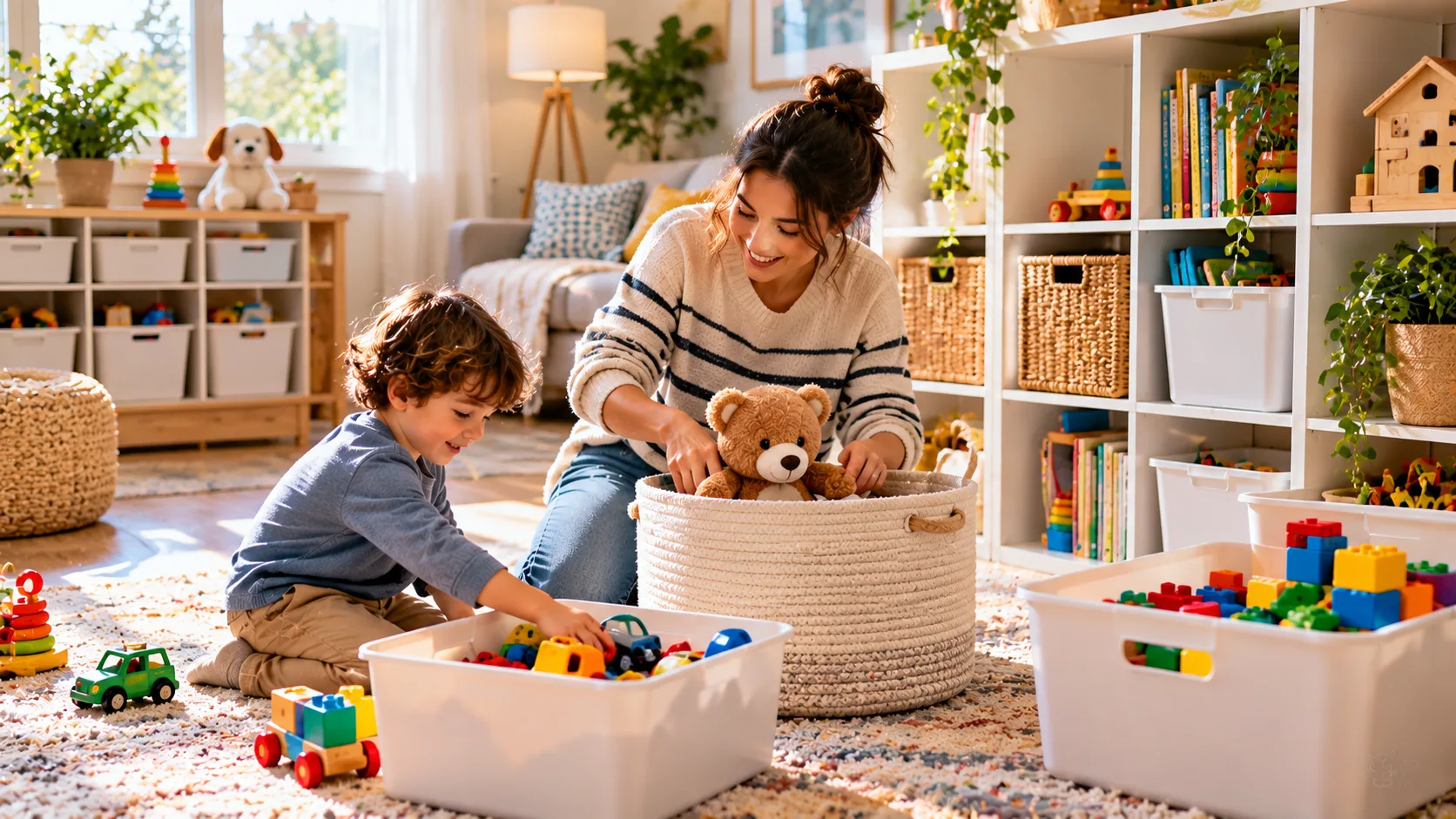
Keeping a home organized with children can feel challenging, especially when toys, clothes, books, and school supplies seem to spread across every room. However, creating a tidy family home does not require expensive furniture or complicated storage systems. With practical organization ideas, you can design comfortable spaces where children can play, learn, and develop healthy habits.
The best child-friendly home organization ideas focus on simplicity, accessibility, and safety. When children can easily find their belongings and understand where everything belongs, daily cleanup becomes less stressful. Smart storage solutions also help parents manage clutter while encouraging children to become more independent and responsible for their personal spaces.
Whether you live in a small apartment or a spacious family house, thoughtful organization can make everyday routines easier. This guide explores practical toy storage solutions, bedroom organization tips, creative playroom ideas, and simple family routines. These ideas will help you create an organized home that remains comfortable, functional, and welcoming for everyone.
1. Create Easy-to-Reach Storage Spaces for Children
One of the most effective child-friendly home organization ideas is creating storage areas that children can access independently. Low shelves, lightweight baskets, and appropriately sized storage compartments allow children to find their belongings without constantly asking for assistance. These arrangements also make cleaning up easier because every item has a clear and convenient place.
Consider placing frequently used toys, books, and everyday essentials on lower shelves within comfortable reach. Items that require adult supervision should remain secured in appropriate locations. Choose sturdy furniture with smooth edges and avoid overcrowding storage spaces. Anchoring suitable shelves and cabinets to the wall is essential to reduce the risk of furniture tipping.
Accessible storage encourages children to participate in everyday household responsibilities. Instead of expecting perfect organization, introduce simple habits such as returning books after reading or placing toys in designated baskets. Over time, these small actions can become familiar routines. A well-designed storage area supports independence while keeping shared spaces more comfortable and manageable.
2. Use Labeled Bins to Organize Toys
Toys can quickly create clutter, especially when children enjoy different activities throughout the day. Labeled storage bins provide a straightforward way to organize building blocks, stuffed animals, puzzles, and other play materials. Separating toys into clear categories makes it easier for children to locate their favorites and return everything after playtime.
For younger children who cannot read independently, use picture labels showing the contents of each container. Older children may prefer written labels or a combination of words and illustrations. Select lightweight containers without sharp edges, and avoid designs with lids that could trap fingers. Small items should be stored according to children’s ages and developmental abilities.
Toy bins work particularly well on low shelves, inside accessible cupboards, or in designated play areas. Avoid purchasing more containers than your space can comfortably accommodate. A smaller number of clearly organized categories is often easier to maintain. This approach keeps toy storage practical while making cleanup feel like a manageable daily activity.
3. Design a Child-Friendly Playroom Organization System
A well-organized playroom gives children space to explore their interests without overwhelming the rest of the house. Dividing the room into simple activity zones can make the area easier to use. For example, you might create separate spaces for reading, building toys, creative activities, and imaginative play using furniture and storage containers.
Keep frequently used materials close to their designated activity areas. Art supplies can remain near a suitable table, while books can be displayed on low shelves beside a comfortable reading corner. Maintain clear walking paths and avoid placing large furniture where it blocks movement. Storage furniture should be stable and securely anchored where necessary.
Children do not need a perfectly decorated playroom to enjoy an organized environment. Focus on making the space easy to understand and comfortable for everyday activities. Involving children in deciding where their favorite toys belong can make the organization system more meaningful. A flexible layout also allows the room to change as children’s interests develop.
4. Organize Children’s Bedrooms With Simple Storage Solutions
Children’s bedrooms often serve several purposes, including sleeping, dressing, playing, and completing schoolwork. Creating designated storage areas for different activities can reduce clutter and make the room easier to manage. Simple furniture arrangements, accessible shelves, and clearly organized drawers help children understand where their personal belongings should be kept.
Use dresser dividers to separate socks, pajamas, shirts, and other clothing items. Baskets can hold soft toys, while bookshelves keep reading materials organized and visible. Under-bed storage may also be useful when designed safely and without blocking access or ventilation. Avoid placing unsecured heavy objects on high shelves above sleeping or playing areas.
A tidy bedroom should still feel comfortable and personal rather than overly controlled. Allow children to choose suitable decorations, organize favorite books, and display selected artwork. Encourage short cleanup routines that fit naturally into their day. These practical bedroom organization ideas can create a welcoming environment while supporting children’s growing sense of responsibility.
5. Create a Dedicated Schoolwork and Study Station
School supplies can become scattered throughout the house when children do not have a consistent place for learning activities. A dedicated study station provides a comfortable location for homework, reading, drawing, and educational projects. The space does not need to be large, but it should include suitable seating, adequate lighting, and organized supplies.
Use small containers to separate pencils, crayons, notebooks, and other frequently needed materials. A nearby shelf or drawer can hold textbooks and school folders. Keep the workspace clear enough for children to concentrate without unnecessary distractions. Younger children may benefit from completing activities in shared spaces where adults can offer guidance.
Encourage children to return supplies to their designated places after finishing their work. A simple desk organizer or labeled basket can make this process easier. Review stored materials occasionally to remove damaged items and unnecessary papers. Maintaining an organized study area can support smoother homework routines and reduce time spent searching for essential supplies.
6. Use Smart Closet Organization for Kids’ Clothes
Children’s clothing can become difficult to manage because of changing seasons, growing sizes, and everyday outfit changes. An organized closet makes it easier to find appropriate clothes without creating unnecessary mess. Dividing clothing into categories such as school outfits, casual wear, sleepwear, and seasonal items provides a clear starting point.
Adjustable shelves, drawer dividers, and low clothing rails can make selected items easier for children to access. Keep everyday outfits within comfortable reach while storing less frequently used clothing separately. Avoid overfilling drawers because crowded storage makes organization harder. Clothing that no longer fits can be donated, passed along, or stored for future use when appropriate.
Creating a simple clothing system can also make morning routines more manageable. Children may enjoy selecting outfits from a small collection of suitable choices. Parents can prepare school clothes in advance to reduce last-minute searching. These practical closet organization ideas help maintain order while encouraging age-appropriate independence and decision-making.
7. Organize the Entryway for School Bags and Shoes
The entryway often becomes cluttered with backpacks, shoes, jackets, and other items carried into the house. Creating a dedicated storage area helps prevent belongings from spreading into hallways and living spaces. A simple arrangement of shoe baskets, accessible hooks, and small storage compartments can improve the way families manage daily arrivals.
Assign each child a clearly identified place for their everyday belongings. Lower hooks can hold lightweight jackets, while sturdy shelves or baskets provide space for footwear. Avoid placing heavy school bags on unstable hooks or furniture. Keep the floor clear to reduce tripping hazards, particularly near doors and frequently used walking routes.
A family entryway organization system works best when everyone follows the same straightforward routine. Children can place shoes in their designated area and return backpacks to an appropriate storage location. A small reminder near the doorway may help younger family members remember the steps. Consistent habits make busy school mornings and afternoons easier to manage.
8. Make Bathroom Storage Safe and Child-Friendly
Family bathrooms often contain numerous items, including towels, toiletries, bath toys, and personal care products. Organizing these belongings into separate categories can make the space more practical. Children benefit from having easy access to appropriate everyday essentials, while potentially hazardous items must remain safely stored away from their reach.
Use low baskets for clean washcloths, suitable bath toys, and other child-safe supplies. Medicines, cleaning products, sharp objects, and potentially harmful toiletries should be secured in child-resistant or locked storage. Avoid using unstable furniture or shelves that children might climb. Water-resistant containers can also help protect frequently used bathroom items from moisture.
Bathroom organization should support simple daily routines without compromising safety. Encourage children to return towels to designated hooks and place suitable bath toys in ventilated storage after use. Adults should regularly check containers for trapped moisture and cleanliness. A practical bathroom system reduces clutter while keeping essential items organized and appropriately secured.
9. Organize the Kitchen for Family-Friendly Routines
The kitchen is often one of the busiest rooms in a family home, making practical organization especially valuable. Children may want to participate in preparing snacks, setting the table, or putting away suitable dishes. Creating designated areas for child-safe items helps support these activities while keeping potentially dangerous kitchen equipment appropriately secured.
Store suitable cups, lightweight plates, and approved snack containers in accessible locations when appropriate for the child’s age. Keep knives, cleaning chemicals, medications, and other hazardous items locked or otherwise securely inaccessible. Hot appliances and cooking equipment should remain under adult control. Clear labels can help identify different storage categories.
A family-friendly kitchen does not require children to access every cupboard or drawer. Instead, carefully select a few safe areas that support everyday participation. Encourage children to return their dishes or organize appropriate supplies with supervision. These small responsibilities can develop useful habits while helping the kitchen remain more organized during busy family routines.
10. Rotate Toys to Reduce Everyday Clutter
Toy rotation is a simple organization method that involves making a manageable selection of toys available while storing others temporarily. Instead of displaying every toy at once, families can organize belongings into smaller groups. This approach helps reduce visual clutter and makes it easier to keep play areas tidy after activities.
Choose toys that reflect children’s current interests and provide different opportunities for learning and imaginative play. Place temporarily unused toys in secure storage, checking that small pieces remain together and appropriate safety guidelines are followed. Rotate selected items periodically according to children’s preferences rather than following an unnecessarily strict schedule.
Toy rotation can also help families recognize which belongings children continue to enjoy. Items that are no longer useful may be donated or passed along when suitable. Children should have opportunities to express their preferences about favorite toys. Keeping the system flexible prevents organization from becoming restrictive and supports a more enjoyable play environment.
11. Use Wall Storage to Save Floor Space
Wall-mounted storage can help maximize space in smaller family homes, especially when floor area is limited. Properly installed shelves, hooks, and organizers provide convenient places for lightweight belongings. These solutions are particularly useful in bedrooms, playrooms, and shared living areas where traditional cabinets might occupy too much valuable space.
Consider using wall shelves for books and decorations or securely mounted organizers for suitable school supplies. All fixtures should be installed according to their weight limits and the type of wall construction. Avoid placing heavy objects above beds or areas where children frequently sit. Hooks and shelves should not create climbing opportunities or obstruct movement.
Wall storage works best when combined with accessible floor-level organization. Children should be able to reach appropriate everyday items without climbing furniture or stretching dangerously. Higher shelves can display lightweight decorations or hold belongings managed by adults. This balanced approach helps maximize available space while maintaining a safe, comfortable environment for family activities.
12. Create Simple Daily Cleanup Routines
Even the most carefully planned storage system becomes less useful when belongings are never returned to their designated places. Establishing short daily cleanup routines can help families maintain an organized home. Children often respond better to familiar, manageable expectations than complicated rules requiring them to tidy an entire room at once.
Choose natural moments for cleanup, such as before dinner, after creative activities, or before bedtime. Encourage younger children to complete simple tasks with adult support, while older children can manage more responsibilities independently. Make instructions specific, such as placing building blocks in a basket or returning books to a shelf.
Consistency is more helpful than expecting every room to remain perfectly tidy throughout the day. Families should allow space for play, creativity, and ordinary household activities. Recognizing children’s efforts and adjusting expectations according to their developmental abilities can support cooperation. Over time, familiar routines may help reduce clutter and make home organization easier for everyone.
Conclusion
Creating a child-friendly organized home involves designing storage systems that are simple, accessible, and safe. Low shelves, labeled containers, organized closets, and dedicated activity areas can make everyday spaces easier to manage. These practical ideas help reduce clutter while allowing children to enjoy comfortable surroundings that support learning, play, and independence.
The most successful organization systems reflect each family’s available space, routines, and children’s needs. Toy rotation, entryway storage, study stations, and simple cleanup habits can improve how the home functions. Safety should remain a priority, particularly when installing furniture, organizing bathrooms, or storing potentially hazardous household products away from children.
The best child-friendly home organization ideas do not require perfection or expensive equipment. Small, thoughtful changes can create a more comfortable environment for the entire family. By involving children in age-appropriate responsibilities and maintaining flexible routines, parents can develop an organized household that feels welcoming, practical, and enjoyable.
Frequently Asked Questions
What is the best way to organize toys in a small home?
Use labeled baskets, low shelves, and a simple toy rotation system to reduce clutter. Store frequently used toys in accessible locations and keep walkways clear to maintain a comfortable, child-friendly environment.
How can I encourage my child to keep their room organized?
Introduce small, age-appropriate cleanup tasks and provide clearly labeled storage spaces. Establish consistent routines, involve children in organizing their belongings, and recognize their efforts without expecting perfect results.
What storage furniture is safest for children’s rooms?
Choose sturdy furniture with smooth edges, appropriate dimensions, and secure wall anchoring where required. Avoid unstable shelves, heavy items stored overhead, and designs that encourage climbing or create entrapment hazards.
How do I organize a shared bedroom for multiple children?
Create individual storage areas for clothing and personal belongings while keeping shared toys in clearly labeled containers. Use accessible shelves, drawer dividers, and simple routines that respect each child’s preferences.
How often should I declutter children’s toys and clothes?
Review toys and clothing every few months or whenever storage becomes difficult to manage. Remove damaged items, identify outgrown clothing, and involve children in age-appropriate decisions about belongings they no longer use.