
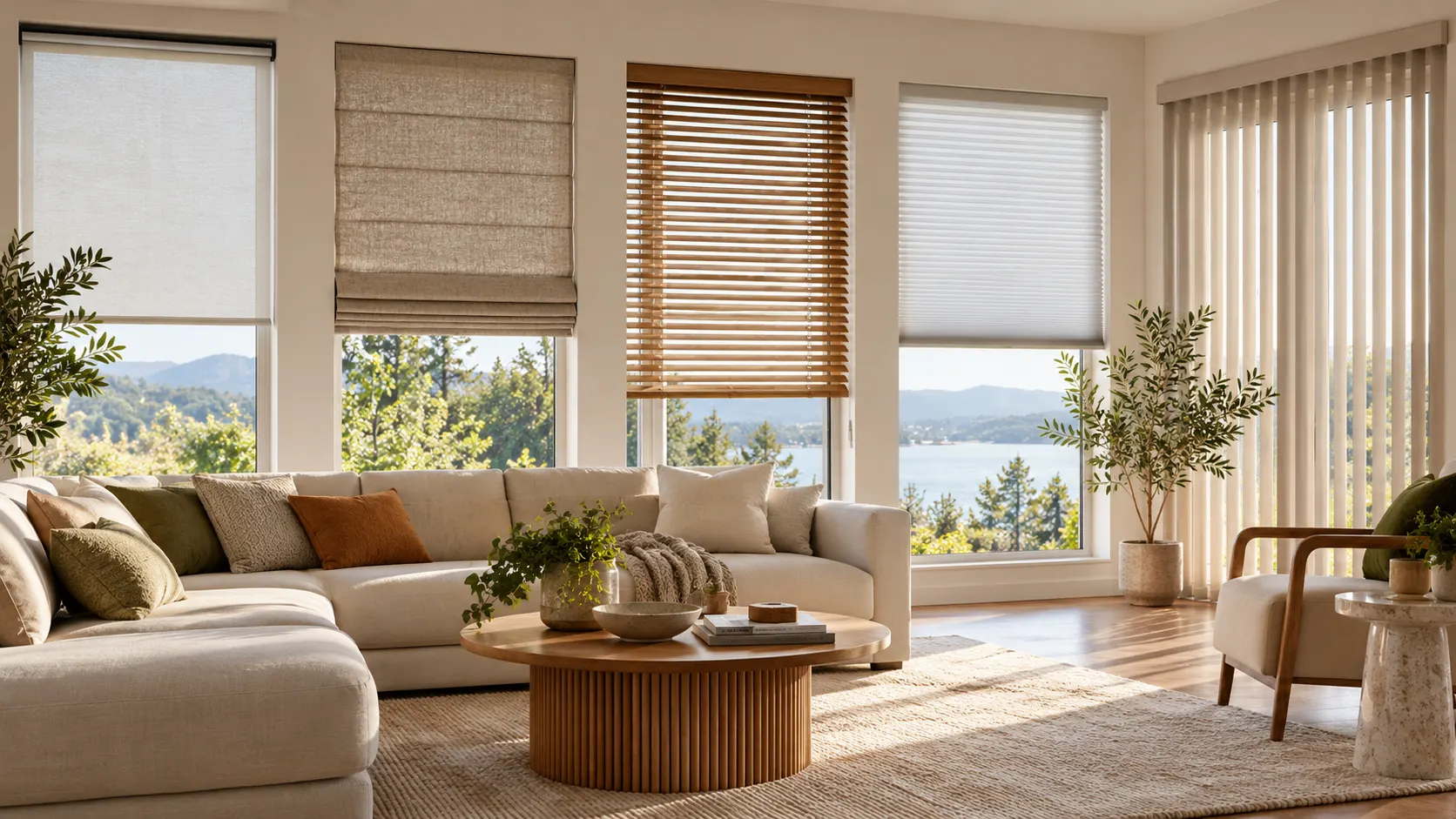
What Are Window Blinds and Why Are They Important?
Window blinds are practical and decorative window coverings designed to control sunlight, provide privacy, and enhance the appearance of indoor spaces. Available in numerous materials, colors, and operating styles, blinds can complement traditional and contemporary interiors. Understanding the different types of blinds helps homeowners choose options that balance functionality, visual appeal, comfort, and everyday convenience.
Unlike curtains, many window blinds feature adjustable slats, fabric panels, or structured coverings that allow greater control over incoming light. Some designs offer precise adjustments, while others create a softer, filtered atmosphere. The right window treatment can improve comfort throughout the day, reduce unwanted glare, and make bedrooms, living rooms, and workspaces feel more inviting.
Choosing suitable blinds involves considering window dimensions, room requirements, cleaning needs, and personal design preferences. Moisture-resistant materials may work better in bathrooms, while light-blocking fabrics can create a more comfortable sleeping environment. By exploring popular window blind styles, you can identify practical solutions that improve privacy and complement your home’s existing interior design.
Venetian Blinds: A Classic and Versatile Window Covering
Venetian blinds are among the most recognizable window treatments, featuring horizontal slats connected by cords or other operating mechanisms. The slats can tilt to regulate sunlight and privacy without requiring the entire blind to be raised. Their versatile appearance makes them suitable for living rooms, bedrooms, offices, and other areas where adjustable light control is important.
These blinds are commonly manufactured from aluminum, wood, and faux wood, providing options for different interior styles and budgets. Aluminum Venetian blinds often suit minimalist spaces, while wooden versions introduce warmth and natural texture. Faux wood alternatives offer a similar appearance with improved resistance to moisture, making them useful in certain kitchens and bathrooms.
One advantage of Venetian blinds is their ability to provide flexible privacy while allowing some daylight into the room. However, horizontal slats can collect dust and require regular cleaning to maintain their appearance. Choosing the appropriate slat width, material, and operating system can help create a window covering that balances practicality with attractive interior styling.
Roller Blinds: Simple Designs for Modern Homes
Roller blinds feature a continuous piece of fabric that rolls around a tube positioned above the window. Their streamlined design creates a clean appearance that works particularly well in contemporary homes and minimalist interiors. Available in numerous fabric textures, colors, and opacity levels, roller blinds offer flexibility for homeowners seeking understated and functional window treatments.
Light-filtering roller blinds soften incoming daylight while maintaining a comfortable atmosphere in living spaces. Blackout versions use specially designed materials to reduce light transmission, making them attractive choices for bedrooms and media rooms. Solar fabrics can also help manage glare and sunlight, although their privacy performance depends on fabric openness and surrounding lighting conditions.
Roller blinds are generally easy to maintain because their smooth surfaces collect less dust than designs with numerous individual slats. Many models are available with manual or motorized operating systems for added convenience. However, standard roller blinds do not provide the same adjustable slat control as Venetian blinds, making fabric selection especially important.
Vertical Blinds: Practical Choices for Large Windows
Vertical blinds consist of long, individual slats suspended from a horizontal track above the window. These slats can rotate to manage light and slide sideways when the window needs to be uncovered. Their structure makes them particularly suitable for sliding glass doors, wide windows, and spaces where traditional horizontal blinds may be less convenient.
Available in fabric, vinyl, and other synthetic materials, vertical blinds can complement a variety of decorating styles. Fabric designs introduce softness, while moisture-resistant alternatives may offer easier maintenance in busy environments. Selecting neutral colors can create a subtle appearance, whereas textured materials can introduce visual interest without overwhelming the surrounding furniture or decorative features.
The main advantage of vertical blinds is their convenient operation across broad window openings. Individual slats may also be replaceable, depending on the product design, which can simplify certain repairs. However, these blinds may move in drafts or produce noise when disturbed, so selecting suitable materials and quality hardware is important.
Roman Blinds: Elegant Fabric Window Treatments
Roman blinds combine the softness of fabric with the structured appearance of a fitted window covering. When raised, the fabric forms horizontal folds that create an attractive layered effect. This design works beautifully in bedrooms, dining rooms, and living areas where homeowners want a sophisticated appearance without installing traditional curtains.
Roman blinds are available in various fabrics, including cotton, linen blends, polyester, and decorative woven materials. Different fold styles can create either a relaxed or more tailored appearance, depending on the interior design. Patterned fabrics can become decorative focal points, while plain neutral shades offer a timeless look that complements numerous furniture arrangements.
These blinds are particularly appealing for homeowners who value decorative texture and coordinated interiors. However, fabric Roman blinds may require more careful maintenance than washable synthetic alternatives. Their light-control performance also depends on the fabric and lining, making it worthwhile to consider privacy requirements and cleaning instructions before purchasing.
Wooden Blinds: Natural Warmth and Timeless Style
Wooden blinds introduce natural texture and warmth into residential interiors, making them popular for traditional and modern decorating schemes. Typically constructed with horizontal wooden slats, they provide adjustable light control while creating an attractive architectural detail. Their distinctive grain patterns and warm finishes can complement hardwood flooring, wooden furniture, and other natural materials.
Common finishes range from light oak-inspired tones to darker walnut shades and painted neutral colors. Genuine wood blinds are often lighter than comparable faux wood products, although this depends on construction and dimensions. They work particularly well in living rooms, home offices, and bedrooms where a comfortable atmosphere and refined decorative appearance are priorities.
Despite their attractive appearance, wooden blinds generally require protection from prolonged moisture exposure. Excessive humidity can contribute to warping, discoloration, or deterioration depending on the wood and finish. Regular dusting and appropriate cleaning methods can help maintain their condition, making them a practical long-term option for suitable indoor environments.
Faux Wood Blinds: Durable Alternatives to Natural Wood
Faux wood blinds are designed to resemble traditional wooden blinds while using synthetic or composite materials. Their realistic finishes can reproduce the appearance of natural wood grain without requiring the same level of moisture protection. This makes them attractive to homeowners who appreciate wooden interiors but need window coverings suited to more demanding environments.
Many faux wood products are made from PVC, vinyl-based materials, or engineered composites that resist everyday moisture better than untreated natural wood. They are commonly installed in kitchens, bathrooms, laundry rooms, and other areas where humidity levels may fluctuate. Their solid construction also provides dependable slat adjustment for controlling sunlight and maintaining household privacy.
Although faux wood blinds offer several practical advantages, they can be heavier than genuine wood alternatives. Large windows may therefore require reinforced hardware or different operating arrangements. Comparing material quality, warranty coverage, and cleaning recommendations helps homeowners select durable options that complement their interiors without creating unnecessary maintenance challenges.
Aluminum Blinds: Affordable and Lightweight Window Solutions
Aluminum blinds remain a popular choice for homeowners seeking affordable and functional window coverings. Their thin horizontal slats create a streamlined appearance suitable for offices, kitchens, and modern residential spaces. Because aluminum is relatively lightweight, these blinds can be convenient to operate and are available in numerous colors and surface finishes.
One important advantage of aluminum blinds is their ability to resist moisture and maintain their appearance in suitable indoor conditions. They are generally easy to clean using a soft cloth or appropriate dusting tool. Their adjustable slats also provide flexible daylight control, allowing occupants to reduce glare while maintaining some visibility toward the outdoors.
However, aluminum slats can bend or become permanently damaged when handled roughly. Thin products may also create noise when moving against one another or responding to airflow. Choosing a well-constructed blind with suitable slat thickness and dependable operating hardware can improve durability while maintaining the affordability associated with this window treatment.
Cellular Blinds: Energy-Efficient Honeycomb Designs
Cellular blinds, also called honeycomb shades, feature distinctive fabric cells that create air pockets within the window covering. These pockets can help reduce heat transfer through the window when the shade is properly installed. Their functional design makes cellular shades appealing to homeowners interested in improving indoor comfort while maintaining a soft, contemporary appearance.
Single-cell and double-cell designs offer different levels of insulation depending on fabric construction and installation quality. Some cellular shades also provide light-filtering or room-darkening options, making them suitable for bedrooms, living rooms, and home offices. Their compact structure allows many designs to stack neatly when raised, helping preserve outdoor views.
Although cellular shades can improve window insulation, their actual performance varies with product specifications, window type, and installation. They may also require careful cleaning because dust can settle within the fabric cells. Considering insulation performance, opacity, and maintenance requirements can help determine whether honeycomb shades offer meaningful benefits for your home.
Zebra Blinds: Stylish Light Control With Layered Fabrics
Zebra blinds, sometimes called dual-layer or day-and-night blinds, feature alternating transparent and opaque fabric bands. These layers move across one another to adjust light transmission and privacy. Their distinctive striped appearance creates a contemporary look that works particularly well in modern living rooms, bedrooms, and professional spaces.
The main appeal of zebra blinds is their ability to create different lighting effects without completely raising the window covering. Aligning transparent bands allows more daylight into the room, while overlapping them with opaque sections provides additional privacy. This adjustable design offers flexibility for households that regularly change lighting conditions throughout the day.
Zebra blinds are available in numerous neutral shades, textured fabrics, and decorative finishes. However, their layered construction does not always provide complete blackout performance, even when the opaque bands overlap. Homeowners seeking stronger light reduction should verify product specifications and consider whether additional window coverings are necessary for their particular requirements.
Bamboo and Woven Wood Blinds: Natural Interior Inspiration
Bamboo blinds and woven wood shades offer an attractive way to introduce organic materials into interior design. Constructed from bamboo, grasses, reeds, or other woven fibers, these window coverings create a distinctive textured appearance. They complement coastal, rustic, Scandinavian, and nature-inspired interiors while adding warmth to otherwise simple residential spaces.
Natural woven materials allow varying amounts of sunlight to pass through depending on their construction. Some designs produce a softly filtered lighting effect that works beautifully in relaxed living areas and sunrooms. Privacy liners or additional backing materials may be necessary when homeowners want greater nighttime privacy or reduced light transmission.
The appearance of bamboo blinds can vary because natural fibers have individual textures, colors, and grain patterns. This variation contributes to their character but may make exact matching more difficult across multiple windows. Regular gentle dusting and appropriate moisture protection can help maintain their appearance, particularly in rooms with stable indoor conditions.
Motorized Blinds: Smart Technology for Everyday Convenience
Motorized blinds use an electric motor to raise, lower, or adjust window coverings without requiring traditional manual operation. Depending on the system, controls may include wall switches, remote devices, or compatible smartphone applications. This technology is especially useful for tall windows, difficult-to-reach locations, and households seeking convenient automated light management.
Some smart blinds can integrate with compatible home automation systems to follow predetermined schedules. For example, homeowners may configure selected coverings to open in the morning or close during periods of strong afternoon sunlight. These features can improve convenience and help manage glare, although actual functionality depends on the motor, controller, and supported software.
Motorized systems generally cost more than comparable manual blinds because of their electronic components and installation requirements. Battery-powered products may need periodic charging or replacement, while hardwired designs can require professional electrical work. Comparing operating noise, connectivity, warranty coverage, and long-term maintenance requirements helps determine whether automated blinds are a worthwhile investment.
How to Choose the Best Types of Blinds for Every Room
Selecting the best window blinds begins with identifying how each room is used throughout the day. Bedrooms often benefit from room-darkening or blackout materials, while living rooms may require flexible daylight control. Kitchens and bathrooms generally need window coverings that tolerate humidity and can be cleaned conveniently without damaging delicate fabrics.
Window dimensions and orientation also influence which designs work best. Wide openings may accommodate vertical blinds, while smaller windows can suit Venetian, Roman, or roller styles. Rooms receiving strong afternoon sunlight may benefit from solar fabrics or cellular shades, depending on the desired balance between glare reduction, insulation, and outdoor visibility.
Design preferences should complement practical considerations when choosing window treatments. Neutral colors can create a coordinated appearance, while textured materials and natural finishes introduce decorative character. Budget, operating convenience, privacy needs, and long-term maintenance should all influence the final decision, ensuring that the selected blinds remain suitable beyond their initial appearance.
Common Mistakes to Avoid When Buying Window Blinds
One common mistake is purchasing window blinds without measuring the window accurately. Incorrect measurements can create unwanted gaps, prevent proper operation, or require expensive replacements. Before ordering, determine whether the blinds will be installed inside or outside the window frame and follow the manufacturer’s specific measuring instructions for the chosen mounting style.
Another mistake involves selecting blinds based entirely on appearance without considering their practical performance. Delicate wooden products may not suit humid bathrooms, while transparent fabrics may offer insufficient nighttime privacy. Understanding material properties and room conditions helps homeowners avoid window treatments that look attractive initially but become inconvenient during everyday use.
Safety and operating mechanisms also deserve careful attention, particularly in homes with children or pets. Cordless window coverings and properly designed motorized systems can reduce hazards associated with accessible operating cords. Choosing appropriate products, following installation instructions, and maintaining operating components can improve long-term functionality while creating a more comfortable household environment.
Conclusion
Understanding the different types of blinds makes it easier to select window coverings that improve both function and interior appearance. Venetian, roller, vertical, Roman, wooden, and cellular designs each offer distinct advantages. The most suitable option depends on your preferred decorating style, privacy requirements, available budget, and the environmental conditions within each room.
Modern alternatives such as zebra blinds, woven wood shades, and motorized window coverings provide additional opportunities for customization. Some focus on decorative appeal, while others emphasize convenience, moisture resistance, or improved insulation. Comparing the characteristics of each style can help you make a confident decision without sacrificing important practical features.
Whether you are refreshing a single bedroom or updating window treatments throughout your home, thoughtful planning can make a significant difference. Measure carefully, explore suitable materials, and consider how your blinds will perform during everyday activities. The right selection can create attractive, comfortable, and functional living spaces that remain enjoyable for years.
Frequently Asked Questions (FAQs)
1. What are the most popular types of window blinds?
Popular options include Venetian blinds, roller blinds, vertical blinds, Roman blinds, and faux wood blinds. Each offers different benefits for privacy, light control, maintenance, and interior design.
2. Which blinds are best for bedrooms?
Blackout roller blinds, lined Roman blinds, and suitable cellular shades are popular bedroom choices. Their light-reducing materials can help create a darker sleeping environment when installed correctly.
3. What type of blinds is easiest to clean?
Aluminum, vinyl, and faux wood blinds are generally easy to maintain using a soft cloth or appropriate cleaning tool. Smooth roller blinds can also be convenient to clean.
4. Are wooden blinds better than faux wood blinds?
Wooden blinds provide authentic natural texture and may be lighter, while faux wood blinds generally offer greater moisture resistance. The better choice depends on room conditions, budget, and personal preferences.
5. Which window blinds are best for energy efficiency?
Cellular or honeycomb shades are often effective choices for improving window insulation because their air pockets help reduce heat transfer. Performance varies according to construction, fit, and installation quality.